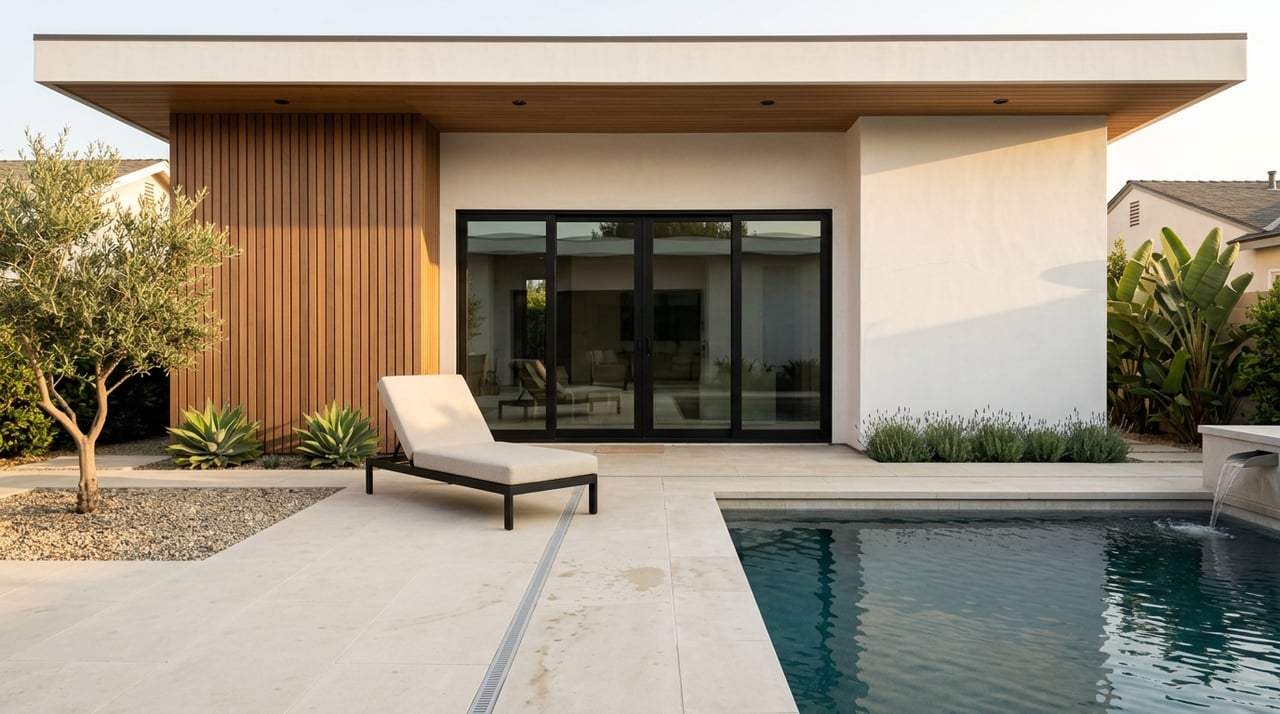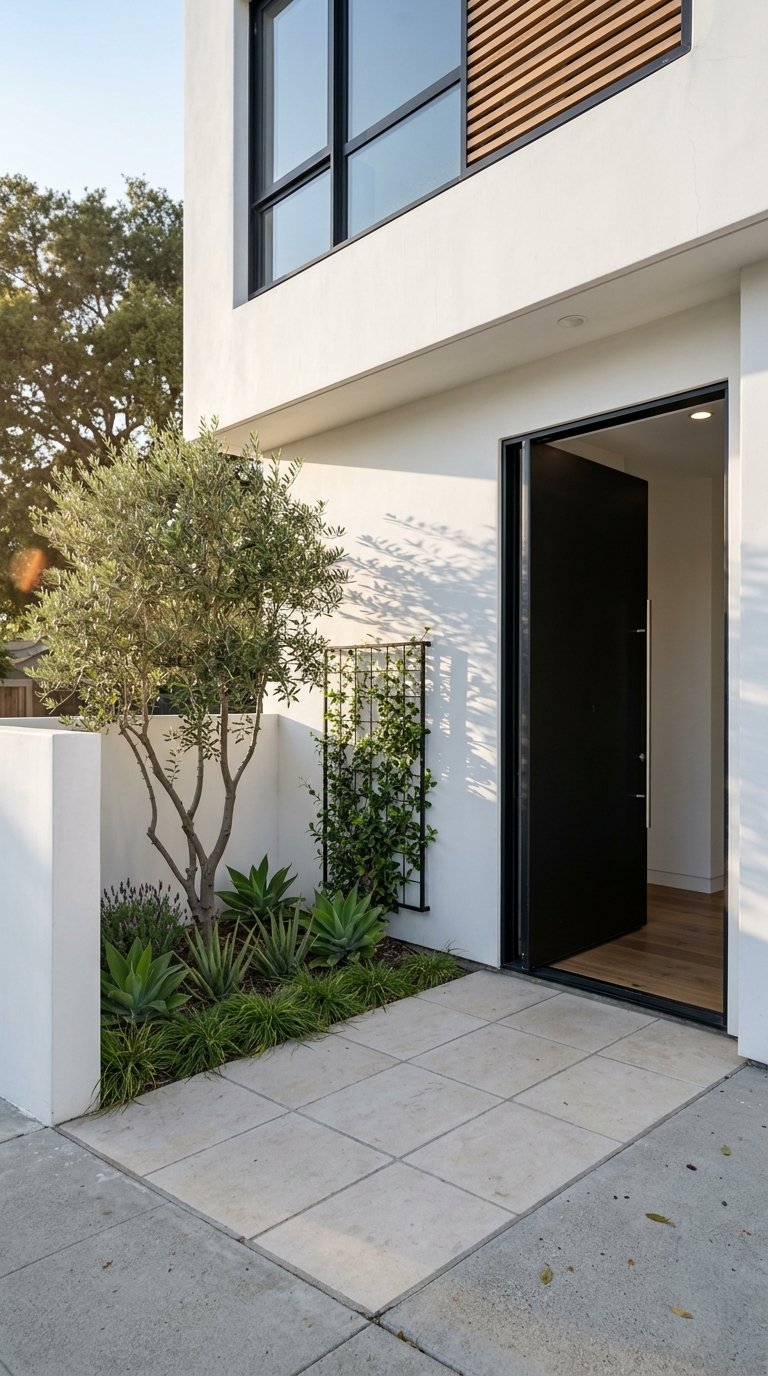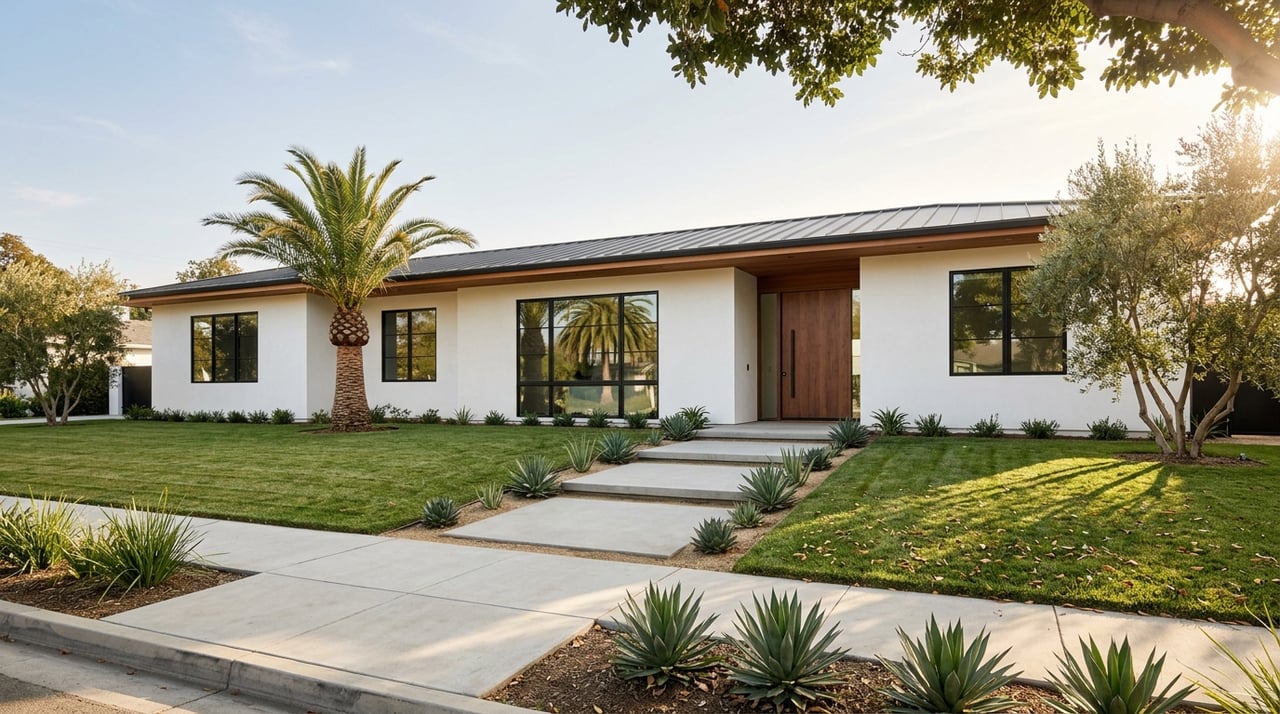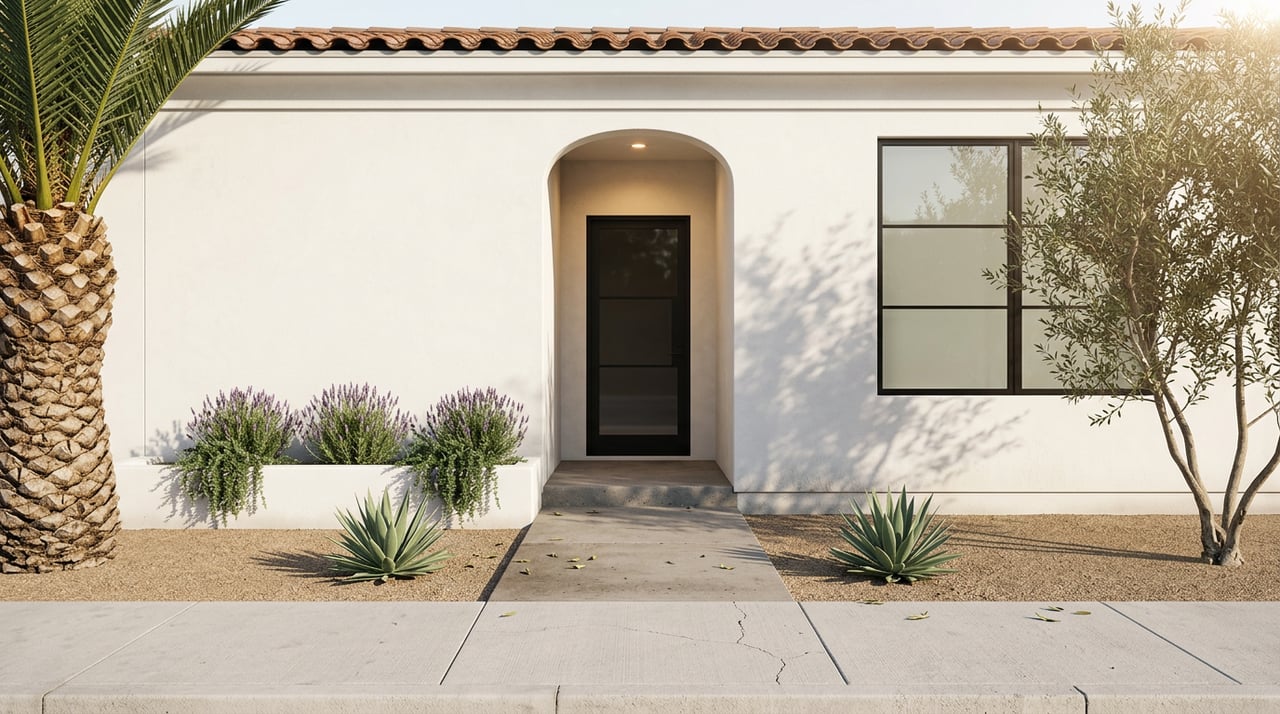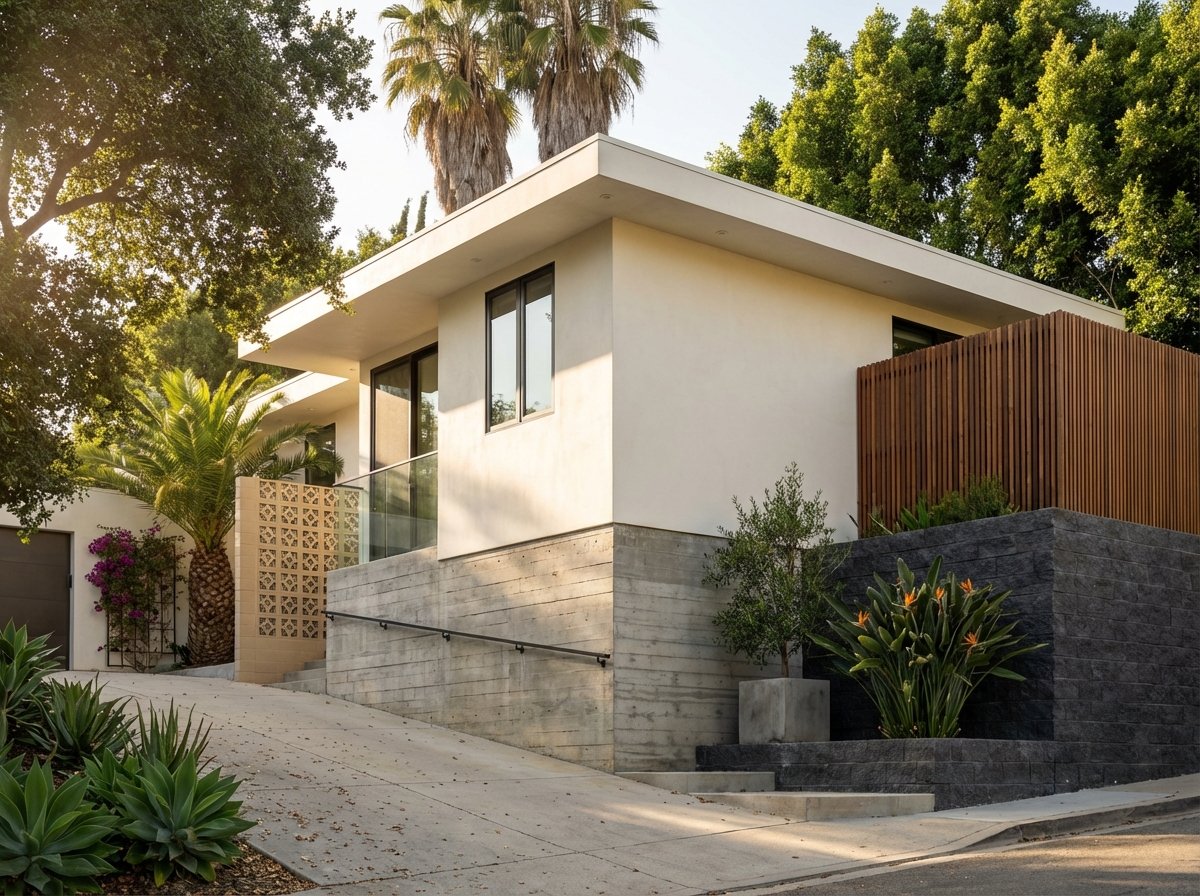
Glass box in the sky or warm wood-and-stone classic? If you are drawn to the Hollywood Hills, you are likely weighing modern against midcentury and wondering which fits your lifestyle, maintenance comfort, and long-term goals. This guide breaks down what defines each style, how the hillside itself shapes design, what to expect with permits and wildfire rules, and a practical buyer checklist. You will leave with a clear framework to choose confidently. Let’s dive in.
Hollywood Hills architecture at a glance
The Hollywood Hills sit on steep slopes of the Santa Monica Mountains within Los Angeles, where narrow streets, dramatic grades, and ridge-to-canyon lots drive what is buildable. City hillside rules and grading standards influence height, floor area, and site work on many parcels, which affects both new builds and additions. You can review key definitions and limits in the City’s Hillside Area standards in the Los Angeles Municipal Code.
The area’s identity is shaped by a celebrated midcentury legacy and eye-catching contemporary rebuilds. The iconic Stahl House by Pierre Koenig is the shorthand image for Los Angeles modernism, all glass and steel suspended over the city lights. You will also see bold structural responses to steep sites in John Lautner’s work, from the colorful Garcia House to the saucer-like Chemosphere perched on a single column.
Market snapshots show a wide range of prices, with medians roughly in the 1.6 to 2.0 million dollar band and significant variation by micro-neighborhood and house type. For a current read, explore the Hollywood Hills neighborhood snapshot and compare active inventory.
- See the archetypal midcentury view home at the Stahl House.
- Explore dramatic hillside engineering in Lautner’s Garcia House and the Chemosphere.
- Review the City’s Hillside Area standards for grading and floor area.
- Scan a current Hollywood Hills market snapshot.
Midcentury modern: why it endures
Midcentury homes, built roughly 1945 to 1970, emphasize long horizontal lines, post-and-beam construction, broad overhangs, and expansive glass. On steep lots, architects often used cantilevers, piers, or slim footprints to minimize grading and frame the view. Inside, you will usually find open great rooms that blend kitchen, dining, and living, with seamless access to terraces and pools.
Original materials often include exposed wood beams, steel, terrazzo or concrete floors, built-in cabinetry, and very large single-pane windows. If you value period details, plan for sensitive upgrades to insulation, glazing, electrical and lighting, and possibly seismic work to meet comfort and code expectations. For visual touchstones and typical features, browse Dwell’s midcentury collection of case studies and restorations.
- Learn more about midcentury characteristics in SAH Archipedia’s description of the Stahl House.
- See design patterns and thoughtful updates in Dwell’s midcentury collection.
Contemporary modern: bigger, bolder
Contemporary homes from the 1990s to today often scale up the modernist toolkit. Expect sculptural forms, larger footprints on prime view lots where allowed, heavy use of glass, concrete, and steel, and multi-level plans with rooftop decks and expansive terrace systems. Floor plans commonly separate guest or display spaces from private suites and dedicate rooms to media and entertaining.
City conversations around hillside reviews and proposed wildlife corridor protections reflect how larger rebuilds have reshaped certain ridgelines. If you are considering a major addition or a new build, expect a closer look at grading, height, and site impact.
- Read about hillside review pressures in this L.A. Times report on the wildlife corridor ordinance.
Spanish and revival classics
Earlier canyon subdivisions introduced stucco walls, red-tile roofs, courtyards, and arched openings that signal “Old Hollywood.” You will find these Spanish Colonial, Mediterranean, and other period revival styles in pockets like Whitley Heights, Beachwood, and parts of Outpost Estates. Plans are often more compartmentalized, yet many homes have been renovated to improve indoor-outdoor flow while maintaining character.
- Get a neighborhood-level overview with Realtor.com’s Hollywood Hills profile.
Hybrids and thoughtful renovations
Many properties blend eras. You may see a Spanish shell with a modern addition, or midcentury bones refreshed with contemporary interiors. The result is architectural layering over time. When you evaluate a listing’s “style,” look closely at structure, windows, and built-ins to understand what is original and what is new, since that affects costs and resale appeal.
How the hillside shapes design
Floor plans that follow views
Hillside living typically stacks functions. Garages and service entries often sit below the main living level. Kitchens, dining, and living spaces orient to the view side. Bedrooms tuck into mid or lower levels for privacy and thermal comfort. Expect stairs, short bridges, and split levels that step with the slope.
Engineering on steep lots
You will encounter cantilevers, deep footings, caissons, and reinforced retaining walls where a flat pad is impractical. Some iconic designs use a single column or stilts to minimize site work, like the Chemosphere’s central-support solution. These structural choices offer drama but require specialized inspections when you buy and thoughtful maintenance later.
Materials you will notice
- Midcentury originals: structural steel, exposed wood beams, teak or hardwood millwork, terrazzo and stone hearths, and wide glass walls.
- Contemporary rebuilds: engineered concrete frames, glass curtain walls, metal cladding, high-performance glazing, and integrated mechanical systems. Waterproofing and engineered drainage are critical due to slope and storm intensity.
Living in the Hills: realities
Access and daily rhythms
Proximity to trails and open space is a signature perk. Runyon Canyon and Griffith Park, including Lake Hollywood, are close for many residents. Street access can be steep and narrow, so most homes rely on private driveways and garages. Plan for delivery logistics, guest parking, and service access when you tour.
Wildfire readiness and rules
Most of the Hills fall within high or very-high fire hazard zones. California’s guidance on defensible space and home hardening sets the baseline for brush clearance, ember-resistant vents, and other improvements. Local groups like the Hollywood Hills Fire Safe Council offer area-specific education and help with compliance. Buyers and sellers should be familiar with inspection and disclosure obligations that apply in these zones.
- Review CAL FIRE’s defensible space and home hardening guidance.
- Find local updates from the Hollywood Hills Fire Safe Council.
Permits, grading, and reports
In hillside areas, geotechnical reports and grading permits are routine for new construction and large additions. The City’s Hillside standards also define how height is measured along slopes and where basements may be exempt from floor area. Significant expansions and new builds on sensitive sites can trigger discretionary review, which affects timelines and design.
- Check key permitting definitions in the LAMC Hillside Area section.
Insurance and resale signals
Architect-designed homes by noted names can command premiums due to provenance, but they also require owners who value careful stewardship. Across the Hills, price dispersion is wide by micro-neighborhood and lot type. Many buyers weigh view quality, privacy potential, and the scope of required upgrades as much as interior finish level.
Micro-neighborhood style cues
- Bird Streets and Sunset Strip ridges: a concentration of large glass-and-steel view homes and ultra-premium price points, prized for long city-to-ocean vistas.
- Outpost Estates and Mount Olympus: earlier planned areas with a strong presence of Spanish and Mediterranean homes, along with preserved period details in some pockets.
- Beachwood Canyon and Hollywoodland: canyon cottages and Spanish revival stock, with small-scale midcentury renovations and a village-like feel near Franklin.
- Nichols Canyon and Laurel Canyon: more secluded canyon stretches with a mix of midcentury, ranch, and contemporary remodels.
Buyer checklist
Use this quick list before you write an offer or prep a listing:
- Geotechnical and grading: request any recorded soil reports, grading permits, and as-built grading or drainage plans. Confirm retaining wall details and past repairs.
- Structure and envelope: inspect foundations, caissons, decks, waterproofing, and roof. For heavy glazing, plan for glass maintenance and seal performance.
- Systems and efficiency: check electrical capacity, HVAC type, and insulation. Original midcentury windows may need upgrading to improve comfort.
- Site and safety: verify pool equipment on steep lots, railings, and path lighting. If in a fire hazard zone, gather defensible-space documentation and clearance records.
- Historic or special status: ask about any historical designation or Mills Act-type encumbrance that can affect changes or tax treatment.
- Compliance outlook: review the LAMC hillside standards for how floor area and basements are calculated, plus any discretionary review triggers.
Modern or midcentury: how to choose
If you favor iconic lines, post-and-beam warmth, and single-level living, a well-kept midcentury may be ideal. Budget for targeted upgrades that respect original intent. If you want larger spaces, dedicated entertaining zones, and cutting-edge systems, a contemporary build or rebuild offers scale and performance, with added diligence on hillside compliance.
Either path works in the Hollywood Hills. Focus on view orientation, privacy strategies, and the site’s engineering story. The right match blends lifestyle, design values, and a clear plan for long-term care.
Ready to tour options that fit your style and timeline? For discreet, design-aware guidance across the Hills, connect with The Kumar Group. Let’s talk through goals, short list the right homes, and position you to win.
FAQs
What defines Hollywood Hills architecture?
- A mix of celebrated midcentury modern and larger contemporary builds shaped by steep terrain, with Spanish and other revival homes in earlier subdivisions. Signature landmarks include the Stahl House and dramatic hillside works like the Chemosphere.
How do midcentury and contemporary homes differ?
- Midcentury homes favor post-and-beam warmth, single-level flow, and period materials, often needing upgrades to glazing and systems. Contemporary homes scale up glass, concrete, and amenities, with multi-level plans and larger terraces that may face stricter hillside review.
What permits and reports are typical for hillside projects?
- Expect geotechnical reports, grading permits, and careful floor area calculations under the City’s Hillside Area standards. Large additions or new builds can require discretionary review. See the LAMC hillside section.
How do wildfire rules affect buying in the Hills?
- Many areas require defensible space and home-hardening steps, along with inspections and disclosures for high or very-high fire zones. Start with CAL FIRE’s defensible space guidance and check updates from the Hollywood Hills Fire Safe Council.
What upgrades are common in original midcentury homes?
- Buyers often plan for insulation and window upgrades, electrical and lighting improvements, and selective seismic work while preserving original millwork and structure. See examples in Dwell’s midcentury collection.
How can I balance view and privacy in glass-heavy homes?
- Many owners use landscape screening, strategic fencing, and window treatments to reduce visibility without losing views. This is a common post-renovation step on view-oriented properties like the Garcia House.