If you are thinking about buying, holding, or selling in Sherman Oaks, it helps to know that long-term value is rarely about one headline feature. A beautiful home can still underperform if the lot is hard to use, and a modest property can age well if it sits in the right part of the neighborhood with strong access and lasting appeal. Understanding what tends to support value over time can help you make smarter decisions with more confidence. Let’s dive in.
Corridor Access Matters
One of Sherman Oaks’ most durable advantages is its connection to key commercial and transportation corridors. According to the Sherman Oaks-Studio City-Toluca Lake-Cahuenga Pass Community Plan, Ventura Boulevard functions as a major spine for commercial and office activity, while Van Nuys Boulevard and Sepulveda Boulevard serve as important north-south focal points.
That matters because long-term value often follows places that make daily life easier. In Sherman Oaks, you have a neighborhood that keeps its residential feel while still benefiting from strong commercial gravity, freeway access, and transit investment.
The city also treats Ventura Boulevard as a long-term asset. The Ventura-Cahuenga Boulevard Corridor Specific Plan exists to preserve the corridor’s role as a major Valley commercial district, covering more than 17 miles, over 1,200 acres, and more than 4,300 parcels. That scale says a lot about how central this corridor is to the neighborhood’s long-run function.
Mobility Supports Daily Utility
Sherman Oaks stands out for north-south connectivity. The community plan points to the San Diego Freeway along the west side and highlights improvements tied to Ventura Boulevard and Sepulveda Boulevard, including freeway access points and intersection upgrades.
Transit is also part of the story. In March 2024, the City, Metro, and LADOT opened 5.6 miles of bus priority lanes on Sepulveda Boulevard, a project expected to help about 50,000 weekly riders and improve bus speeds by 15 percent or more. The route improves access to places people use every week, including Sherman Oaks Galleria, Valley Presbyterian Hospital, and the Sepulveda G Line station.
There is also a longer-range regional factor to watch. Metro’s Sepulveda Transit Corridor project is still in planning and environmental review, but the selected locally preferred alternative is an underground heavy-rail line linking the Valley and the Westside. It is not a near-term pricing event, but it does add to Sherman Oaks’ long-term connectivity profile.
Land Use Patterns Shape Value
Sherman Oaks is not one uniform housing market. The community plan describes a useful split: most single-family homes south of Ventura Boulevard are in hillside areas, while much of the multifamily housing sits north of Ventura along and between arterials.
That pattern helps explain why values can behave differently from one pocket to another. Buyers and owners are not just choosing a home. They are also choosing a land-use setting, a street context, and a different set of long-term constraints and advantages.
Usable Lots Often Win Over Size
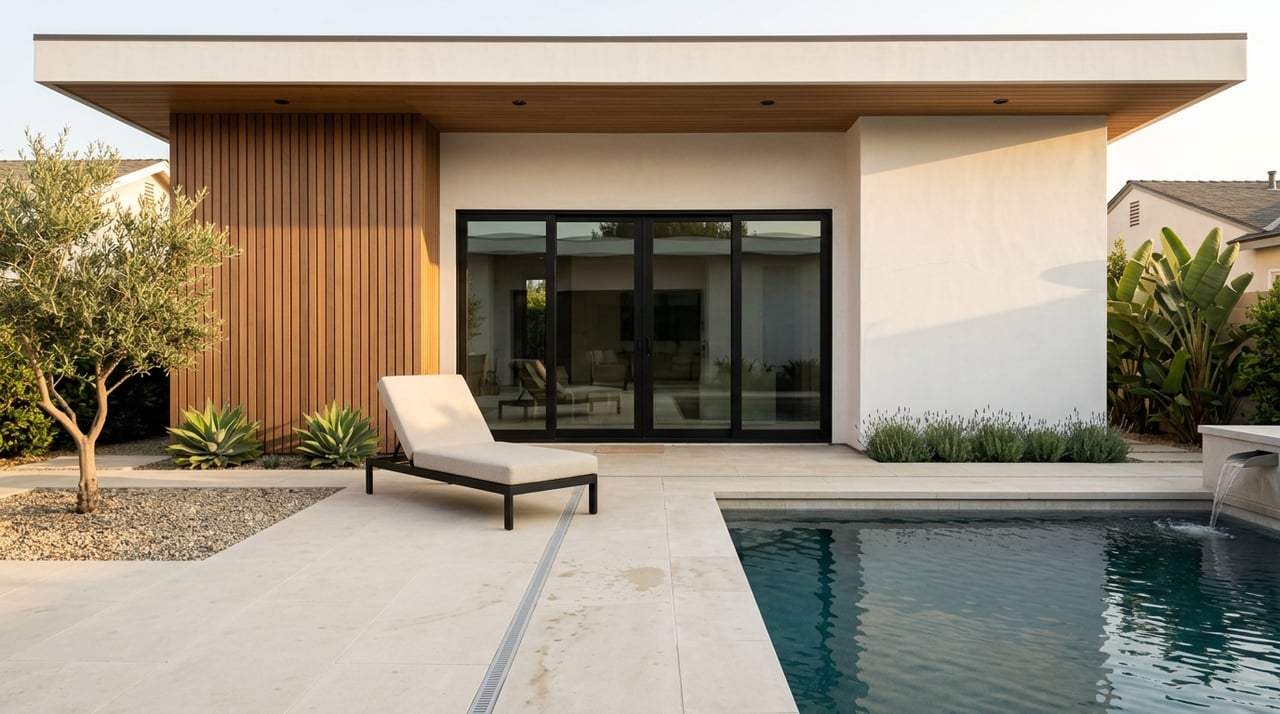
A big lot does not automatically mean a better long-term hold. In Sherman Oaks, lot usability often matters more than raw square footage, especially when you think about access, privacy, outdoor living, parking, and future flexibility.
A flatter, better-shaped lot can support more practical use over time. It may be easier to enjoy, easier to improve, and easier to position for resale. By contrast, a parcel with awkward shape, difficult circulation, or limited functional outdoor space can narrow the buyer pool later.
This is especially relevant in hillside areas. The community plan states that hillside intensity and density are limited in part because of circulation, drainage, sewer capacity, fire protection, topography, geology, and compatibility concerns. It also continues the Citywide Hillside Ordinance and the Mulholland Scenic Parkway Specific Plan, which means hillside properties can come with more scrutiny around grading, additions, and design.
Hillside Scarcity Comes With Tradeoffs
Hillside homes in Sherman Oaks can have strong long-term appeal. Views, privacy, and topography are hard to replicate, which can create scarcity over time. That said, scarcity is only part of the equation.
The same features that make hillside homes special can also create challenges. Access, maintenance, expansion limits, and site design constraints can all affect how flexible a property is over a long hold. If you are comparing two homes at a similar price point, the better value play is not always the larger or more dramatic one. Sometimes it is the property that balances character with everyday function.
Compatibility Helps Preserve Value
The community plan repeatedly emphasizes compatibility with adjacent development. It identifies issues like scale, density, neighborhood character, parking spillover, and impacts on single-family areas as core planning concerns.
For owners, that is more than policy language. Properties that can absorb updates or improvements without creating conflict with nearby homes often have a smoother path over time. They tend to be easier to live in, easier to market, and easier for future buyers to understand.
Architecture Adds Staying Power
In Sherman Oaks, architecture is part of the value conversation. The community plan notes that local neighborhoods are often defined by topography or architectural character, and it calls for the preservation, maintenance, enhancement, and reuse of historically significant buildings and original facades.
That is important because design quality can create a sense of place that generic housing stock cannot easily match. Over a long ownership horizon, homes with architectural integrity or site-specific design often stand apart because they are simply harder to replace.
Several local examples make that idea more concrete. The LA Conservancy describes Chase Knolls as an intact 1947 to 1949 garden apartment community on 13 acres. The same source identifies the Platform Houses on Oakfield Drive, designed by Richard Neutra and William Beckett, as a distinctive group of mid-century homes built over a steep slope, and notes Stanley Burke’s on Van Nuys Boulevard as a rare surviving Googie commercial building in Sherman Oaks.
Distinctive Design Can Age Better
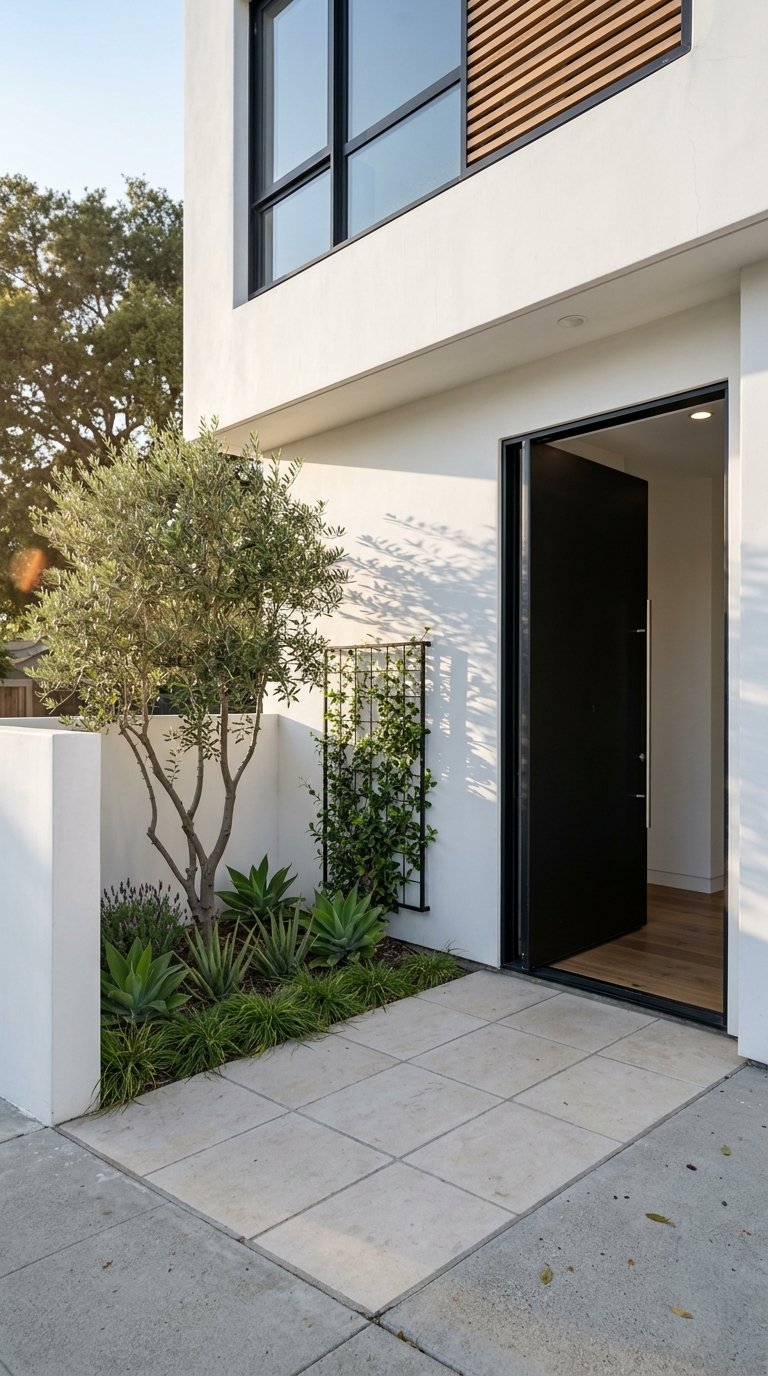
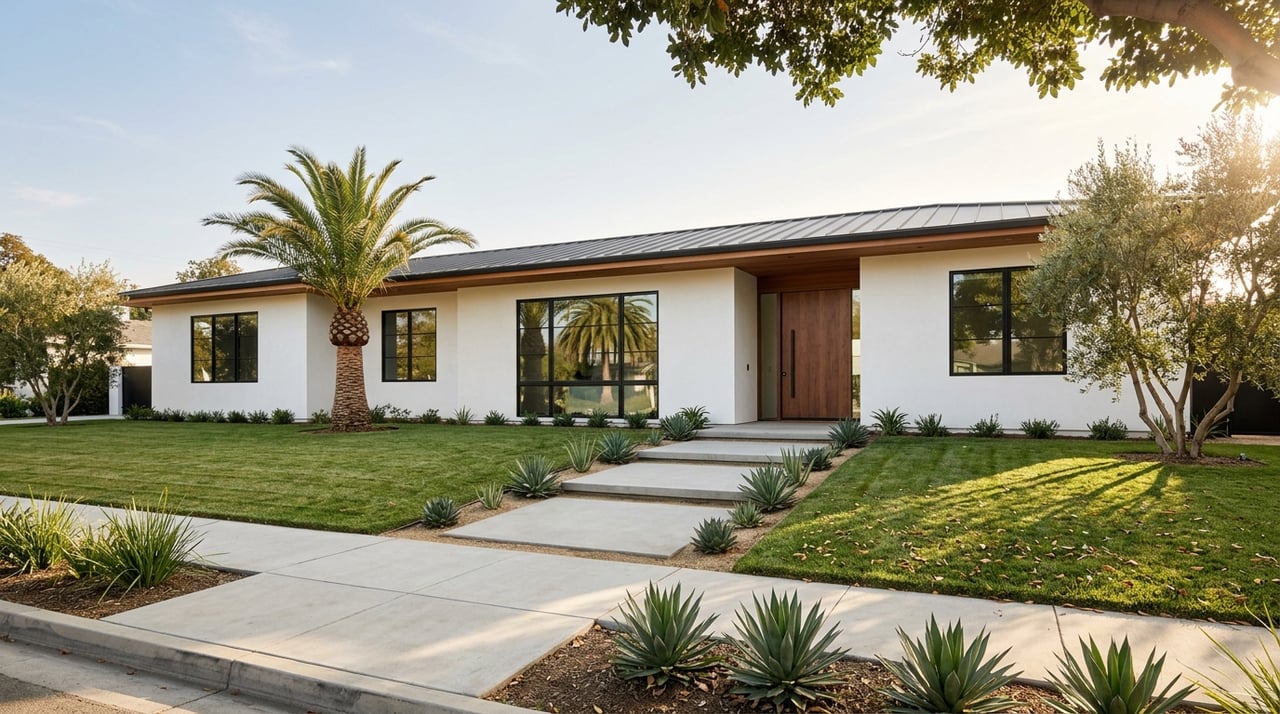
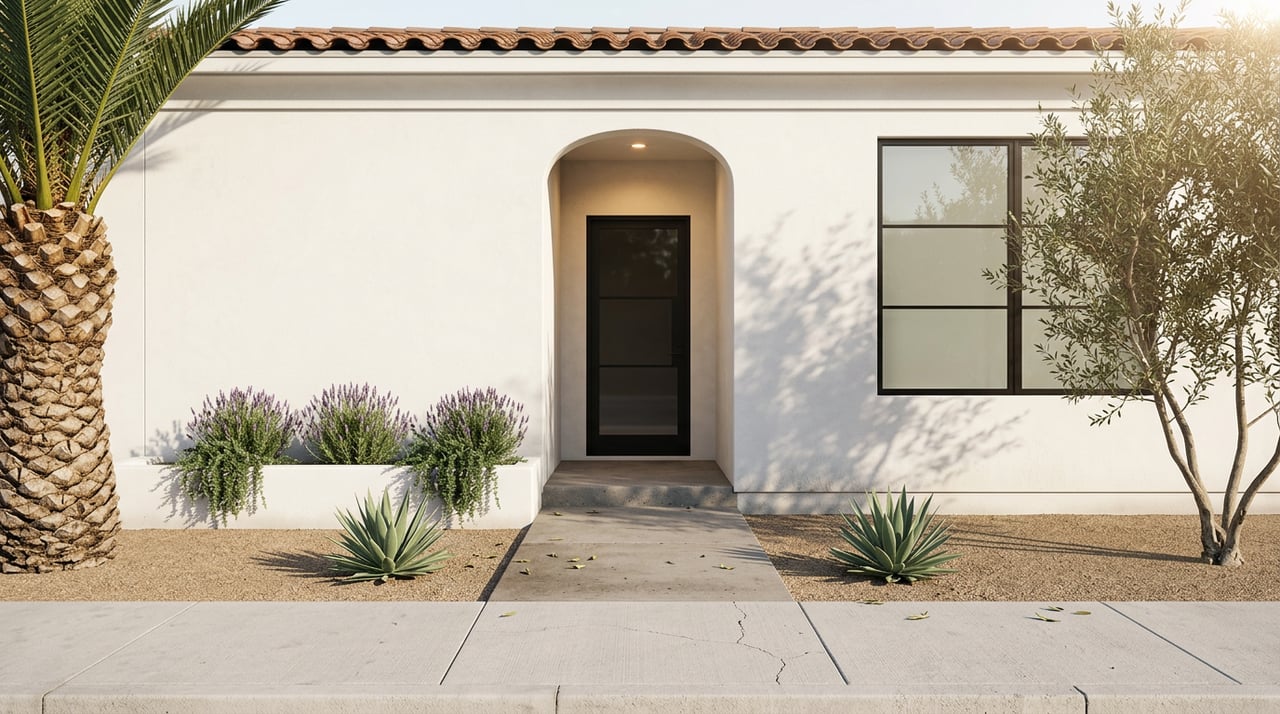
Not every buyer is shopping for a landmark property, but the broader lesson still applies. Homes with thoughtful architecture, strong proportions, preserved original elements, or design that suits the site often have more enduring appeal than properties that feel interchangeable.
That does not guarantee outperformance in every market cycle. Still, over time, well-designed and well-situated properties often benefit from scarcity, recognition, and a stronger neighborhood identity.
Amenity Access Matters Too
Long-term value is also shaped by what you can reach easily in daily life. The community plan describes the eastern portion of the Ventura Boulevard regional center at Sepulveda as a mix of office, retail, and service uses, and specifically notes the need for better links between residential areas and Sherman Oaks Galleria.
That kind of access matters because people value convenience they can actually use. Being close to errands, services, dining, entertainment, and medical access can support demand even when broader market conditions shift.
Sherman Oaks also benefits from civic and recreation amenities that reinforce everyday livability. The Van Nuys Sherman Oaks Recreation Center includes athletic fields, tennis courts, a gym, picnic tables, and youth programs. Nearby, Sherman Oaks Castle Park adds another layer of repeat-use entertainment and recreation along Sepulveda.
The Right Amenity Mix Has Value
Not all amenities support long-term value in the same way. In Sherman Oaks, the most durable mix tends to be practical rather than flashy. Access to services, commuter routes, recreation, health care, and destination retail often matters more over time than one prestige feature.
That is part of what gives the neighborhood resilience. It offers a blend of residential identity and daily utility, which is often what supports buyer interest across different phases of the market.
What Buyers And Sellers Should Watch
If you are evaluating long-term value in Sherman Oaks, a few factors deserve extra attention:
- Lot usability: Look beyond size to shape, slope, access, privacy, and outdoor function.
- Street and corridor access: Proximity to Ventura, Sepulveda, and major connections can support convenience, but traffic exposure still matters.
- Architectural character: Distinctive design and site-specific qualities can help a home stand out over time.
- Neighborhood fit: Properties that respect surrounding scale and character often hold broader appeal.
- Amenity reach: Access to daily services, recreation, and regional mobility adds staying power.
In other words, Sherman Oaks value tends to come from the combination of place, function, and identity. The homes that age best are often the ones that balance all three.
If you are weighing a purchase, preparing a sale, or trying to understand how a specific property fits into the Sherman Oaks market, working with a local advisor can help you separate lasting value from short-term noise. To talk through strategy with a design-aware, neighborhood-focused team, connect with The Kumar Group.
FAQs
What drives long-term property value in Sherman Oaks?
- Long-term value in Sherman Oaks is often supported by corridor access, usable lots, architectural character, and proximity to practical daily amenities, based on the city’s planning framework and local infrastructure patterns.
Do hillside homes in Sherman Oaks hold value well?
- Hillside homes can have lasting appeal because views and topography are scarce, but buyers should also consider access, maintenance, and expansion constraints tied to hillside regulations.
Does transit access help long-term value in Sherman Oaks?
- Transit can support value over time, especially with the Sepulveda bus priority lanes already improving access and the Sepulveda Transit Corridor serving as a longer-term regional connectivity project.
Why does lot usability matter in Sherman Oaks real estate?
- Lot usability matters because flatter, better-shaped parcels with practical access, privacy, and outdoor function often offer broader long-term appeal than lots that are steep or hard to use.
Does architecture affect property value in Sherman Oaks?
- Architecture can influence long-term appeal because distinctive, site-specific, and well-preserved properties are typically harder to replicate than more generic housing stock.