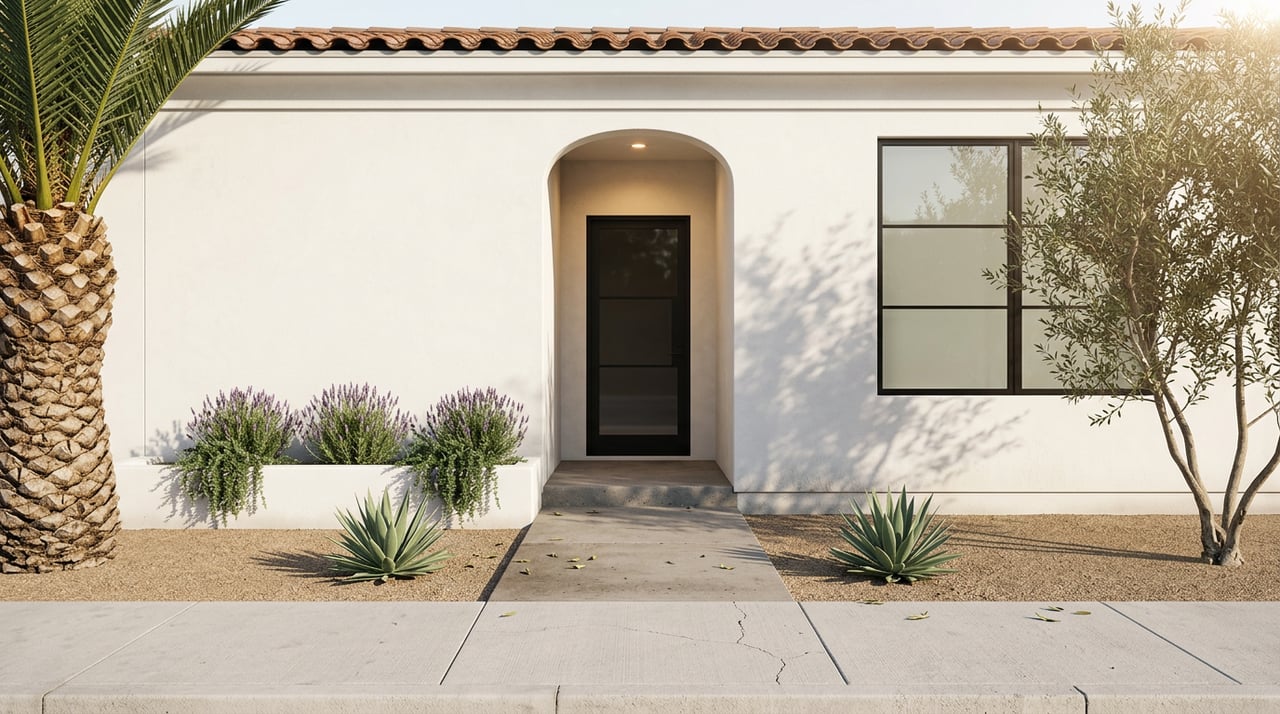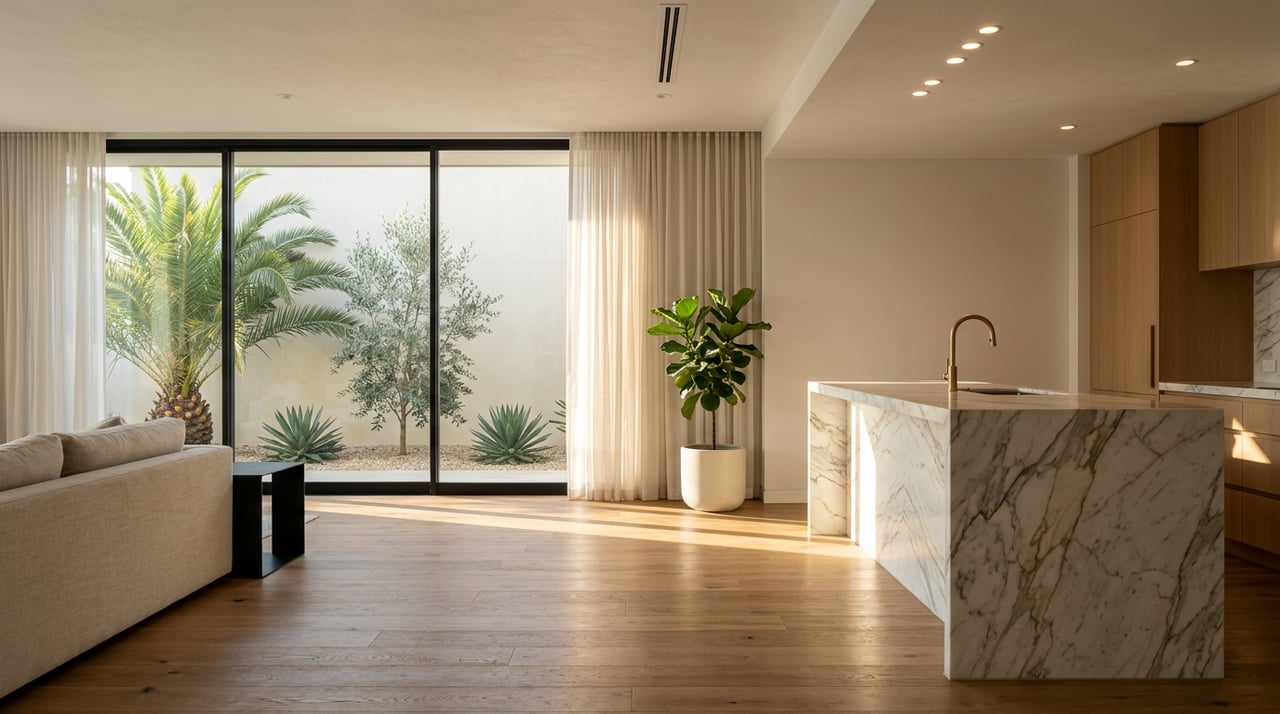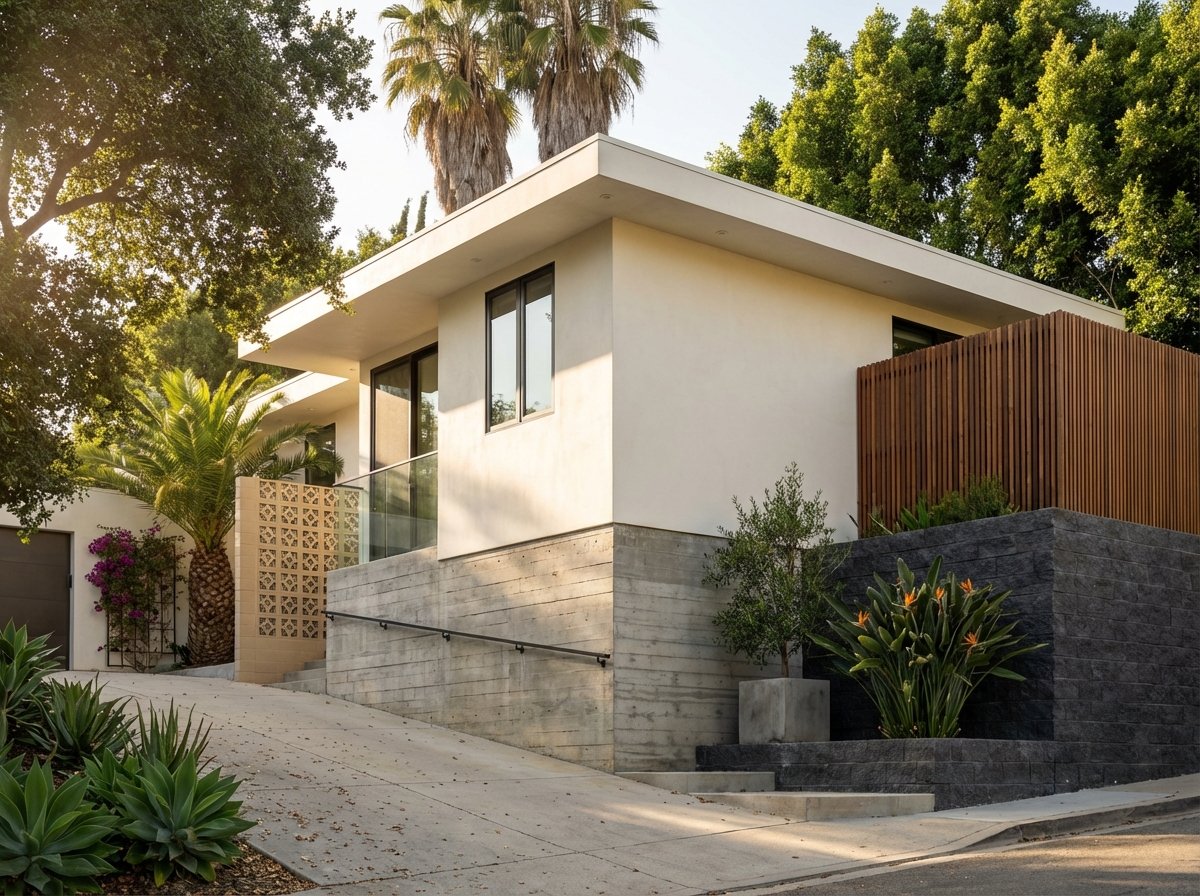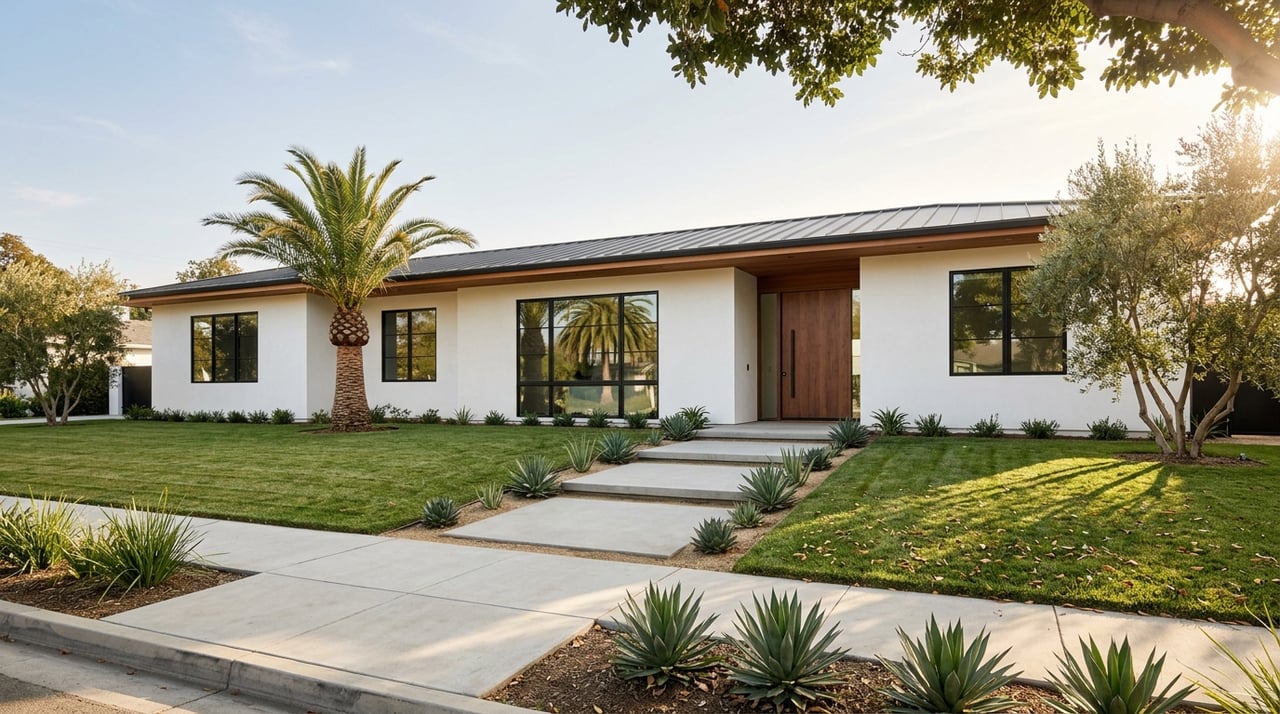
Wondering whether Encino or the Westside gives you the better Los Angeles lifestyle fit? If you are weighing more square footage and yard space against quicker access to major job centers, transit, and destination amenities, this is one of the most important comparisons to get right. The answer is not just about price. It is about how you want to live day to day. Let’s dive in.
Encino vs. the Westside at a glance
The simplest way to frame this decision is that Encino is usually the space-first choice, while the Westside is often the access-first choice. That pattern shows up in land use, housing inventory, transportation, and neighborhood amenities.
According to the Encino-Tarzana Community Plan, Encino preserves a large single-family residential base. By contrast, the Westside is more varied. Westwood is more condo- and multi-family-oriented, West Los Angeles mixes homes with apartments and some high-rises, and parts of Brentwood swing back toward large-lot estate living.
Encino offers more space-focused housing
Encino’s housing pattern is shaped by its strong single-family base. The community plan states that 63% of residential land is designated single-family, with a stated focus on preserving existing single-family districts and low-density neighborhoods.
That planning framework helps explain why Encino inventory often feels more spacious. The same planning material references subdivision patterns with 9,000-square-foot minimum lot areas in recent cases, which supports the larger-lot character many buyers associate with the neighborhood.
Current market snapshots also reinforce that profile. The Encino market overview on Realtor.com shows sample listings that are mostly detached homes, including homes around 2,288, 2,600, 3,071, and 3,458 square feet, plus larger estate inventory.
The Westside inventory is more mixed
The Westside is not one housing type. That is important because buyers often compare Encino to a broad Westside idea, when the actual options vary quite a bit by neighborhood.
In Westwood, the mix leans heavily toward attached housing. The Westwood Community Plan says single-family uses occupy 70% of residential acreage but account for only 16% of housing units, while multi-family makes up 84% of units. It also notes high-rise towers along Wilshire Boulevard and large concentrations of multi-family development.
That helps explain why current Westwood listings are often condos and attached homes in roughly the 1,300 to 2,150 square foot range. West Los Angeles sits somewhere in the middle, with low-density single-family homes still making up much of the land area, but with apartments, condominiums, duplexes, and larger complexes also part of the housing stock.
Brentwood is a different story. In some sections, especially Brentwood Park, planning documents describe lots that can exceed an acre, with deep setbacks and one house per lot. So yes, the Westside can offer estate-scale living, but usually at a much higher cost basis.
Price per foot matters more than sticker price
If you compare only median sale or list prices, you can miss the real story. Price per square foot is often the better lens when you are deciding between Encino and the Westside.
The current Realtor.com Encino overview shows Encino around a $2.0 million median home price and about $727 per square foot. Westwood shows a lower median price, around $1.36 million, but a higher $784 per square foot, largely because the inventory mix skews toward condos and attached homes.
In higher-cost Westside areas, the premium becomes more obvious. Brentwood is around $1,070 per square foot, and Mar Vista is about $1,022 per square foot in the same source snapshot. So while a Westside home may sometimes appear less expensive at first glance, that does not always mean you are getting more physical space.
What your budget may buy you
For many buyers, Encino can translate into more of the features that support everyday comfort:
- More interior square footage
- Larger lots and outdoor areas
- Detached-home inventory
- More parking flexibility
- A lower cost per square foot than several Westside submarkets
On the Westside, your budget may buy a different set of advantages:
- Closer access to major employment hubs
- More corridor-based transit options
- More mixed-use surroundings
- Easier access to coastal destinations
- A denser concentration of retail, dining, and cultural amenities
Neither option is automatically better. The right answer depends on whether you value space and separation more, or proximity and convenience more.
Commuting feels different in each area
Lifestyle is not just about the house. It is also about how you move through the city.
Encino remains largely freeway- and park-and-ride-oriented. The Encino-Tarzana Community Plan calls for transit-priority treatments on Ventura Boulevard, Reseda Boulevard, and Victory Boulevard, and references expansion of the Encino park-and-ride. Metro also lists a Balboa parking lot in the G Line section, supporting the idea that transit exists here, but the day-to-day pattern is still more car-oriented.
The Westside offers a more transit-rich structure. Metro’s E Line timetable serves stops including Downtown Santa Monica, 17th St/SMC, Expo/Bundy, Expo/Sepulveda, Culver City, Palms, and Westwood/Rancho Park.
Metro’s D Line Extension project page states that Section 2 is scheduled to serve Century City in 2026, with later sections serving Westwood/UCLA and Westwood/VA Hospital in 2026 and 2027. Metro describes the project as a way to improve access to jobs and provide a more reliable alternative to driving. As of March 30, 2026, those Westwood and Century City stations are still under construction, so the long-term rail advantage is strengthening, but not yet fully in place.
Encino feels more suburban day to day
Encino’s daily rhythm is anchored by Ventura Boulevard and nearby open space. A city planning report describes Ventura Boulevard as a primary east-west thoroughfare and a long contiguous business corridor lined with housing, retail shops, mini-malls, and other businesses.
Encino also offers local recreation and civic assets, including the Encino Community Center and Encino Park, while the community plan emphasizes access to open space and regional parks in the Santa Monica Mountains and the Sepulveda Basin. That combination tends to create a more residential, car-friendly experience with room to spread out.
If your ideal day includes a larger home, private outdoor space, and a little more breathing room between errands, Encino often aligns well with that goal.
The Westside feels more urban and destination-driven
The Westside tends to offer a more mixed-use and destination-rich environment. The West Los Angeles Community Plan highlights proximity to museums, theaters, educational institutions, ocean amenities, and airports.
Westwood has a particularly distinct identity shaped by UCLA and Westwood Village. It also includes Westwood Park, a 26.7-acre community park with baseball fields, basketball courts, a dog park, tennis courts, a synthetic soccer field, a gymnasium, and a swimming pool.
The E Line’s Santa Monica terminus also makes beach-oriented trips and coastal errands more straightforward than they are from most Valley neighborhoods. For some buyers, that convenience is worth paying more per foot and accepting less private space.
Which buyer may prefer Encino
Encino may be the stronger fit if you are looking for a home that prioritizes space and flexibility. That can include move-up buyers, households that want more indoor-outdoor living, or anyone who prefers detached housing over a condo-heavy inventory mix.
You may also prefer Encino if you value a lower price per square foot than many Westside alternatives and want access to a neighborhood that still feels connected to the broader Los Angeles market. In practical terms, Encino often gives you more house and yard for the money.
Which buyer may prefer the Westside
The Westside may be the better fit if your daily priorities center on access. That could mean proximity to jobs, a more urban environment, easier coastal access, or stronger transit connections over time.
You may also prefer the Westside if you are comfortable trading private square footage for a location that places more amenities within easier reach. In neighborhoods like Westwood and West Los Angeles, that tradeoff is often built into the housing stock itself.
The real decision is how you want to live
When buyers compare Encino and the Westside, the smartest approach is to look past neighborhood labels and focus on the tradeoff. Encino typically buys you more space. The Westside typically buys you more access.
That is why this comparison works best when it is tailored to your budget, home type, commute, and daily routine. If you want a clear, market-specific read on where your money goes further and which neighborhood aligns with your lifestyle, The Kumar Group can help you evaluate the options with a local, design-aware lens.
FAQs
How does Encino compare to the Westside for house size?
- Encino generally offers more detached homes and larger living spaces, while Westside areas like Westwood often have more condos and attached housing.
Is Encino more affordable per square foot than the Westside?
- Based on the current Realtor.com snapshot in the research, Encino is around $727 per square foot, which is lower than Westwood, Brentwood, and Mar Vista in the same comparison.
Does the Westside have better transit than Encino?
- Yes, overall the Westside has a more transit-rich structure, with E Line service already operating and the D Line Extension planned to improve access further as new stations open.
What is the main lifestyle difference between Encino and the Westside?
- Encino generally feels more space-oriented and car-friendly, while the Westside tends to feel more mixed-use, urban, and destination-focused.
Are there large-lot homes on the Westside too?
- Yes, there are estate-style exceptions on the Westside, especially in parts of Brentwood, but those properties typically come with a much higher space premium.