Thinking about a Hollywood Hills West home with a sweeping view and private setting? Hillside properties here deliver that magic, but they also bring unique site, safety and permitting factors that flats simply do not. If you understand how slope, access and drainage shape value and timelines, you can act with confidence. This guide breaks down the essentials so you can plan, price and negotiate with clarity. Let’s dive in.
Why hillside homes differ
Hollywood Hills West sits on the southern and southwestern slopes of the Santa Monica Mountains within the City of Los Angeles. Many lots perch on ridges or narrow benches carved into steep terrain. The mix of shallow soils, seasonal rain and variable bedrock raises landslide and erosion potential compared with flat neighborhoods. You get views and privacy, but also more due diligence, specialized construction, and maintenance.
Lot geometry and buildability
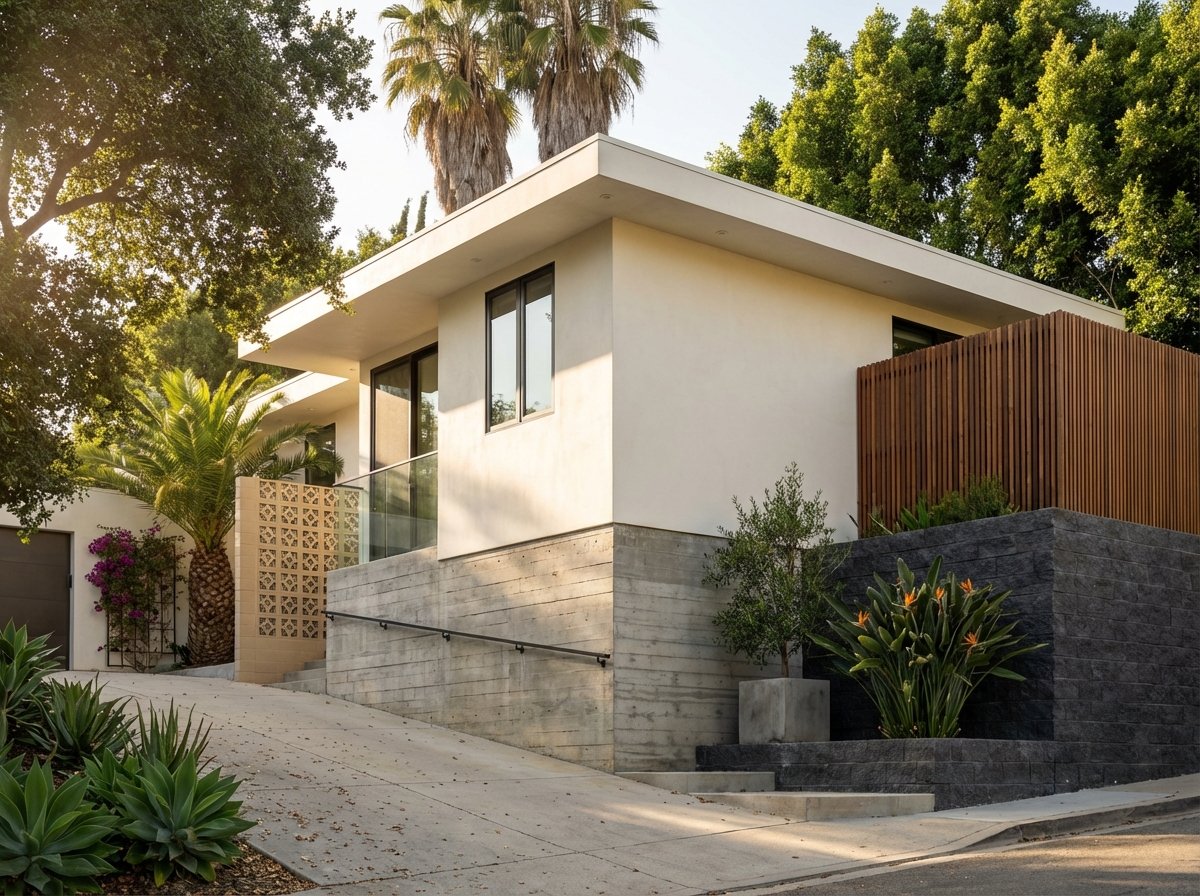
Hillside lots often have irregular shapes, narrow frontages and pronounced cross-slope. The true buildable area is usually a bench or pad, not the full assessor lot size. Required setbacks and slope setbacks can shrink the usable footprint. Older retaining walls or terraces may predate current code, so assume they need professional evaluation.
Slope, grading and foundations
Slope percentage is a primary driver of complexity. As slopes move from gentle to steep, expect engineered solutions like deep piers or caissons, more substantial retaining systems and careful grading. Even modest cuts or fills can trigger plan review, soils sign-off and engineered walls. These elements add to both timeline and cost, so plan early and verify with qualified engineers.
Access, parking and safety
Access in the hills is part of daily life and permitting. Narrow, winding roads, limited on-street parking and steep driveways affect deliveries and emergency response. LAFD standards for access, turnarounds and slope limits can influence what you build or improve. If driveways are too steep or clearances are tight, you may need mitigation before permits or occupancy approvals are granted.
Utilities and drainage
Topography can complicate water, sewer and storm connections. Some homes require long lateral runs, easements or pump systems to achieve proper sewer flow. Stormwater management is critical. Expect both temporary and permanent erosion controls and low-impact development measures as part of approvals, especially where runoff concentrates downslope.
Due diligence essentials
Order technical reports
- Geotechnical report by a licensed geotechnical engineer assessing slope stability, soils, bearing capacity and drainage recommendations.
- Topographic and boundary survey confirming lot lines, encroachments, easements and the precise buildable pad.
- Structural evaluation of foundations, piers and retaining walls, especially on older homes.
- Drainage evaluation and grading plan to anticipate runoff paths and required controls.
Confirm permits and overlays
- Check City of Los Angeles zoning and whether the parcel sits in a designated Hillside Area or under specific plan restrictions.
- Review LADBS permit history for grading, foundations, retaining walls and additions.
- Verify LAFD rules for Very High Fire Hazard Severity Zones, including defensible space and fuel modification.
- Pull natural hazard disclosures and maps for fault zones, landslide history, liquefaction and wildfire hazard areas.
Review title and legal items
- Confirm retaining wall ownership and any recorded maintenance agreements.
- Identify utility or drainage easements across your lot or neighbors’ properties.
- Verify any encroachments into the public right of way, such as driveway aprons or steps.
Check insurance and financing
- Understand that some homeowner policies exclude earth movement and landslide. Discuss available coverage and pricing early.
- Expect lenders to ask for current geotechnical documentation and structural soundness for construction loans or refinancing.
- Parcels with steep or substandard access can face tighter underwriting. Plan for contingencies.
How site conditions shape value
Hillside value often reflects views, privacy, daylight and address prestige. At the same time, difficult access, limited flat yard area, known geotechnical issues, unpermitted work, and constrained parking can weigh on price. Two similar homes by size and finish can price very differently once you factor permitted square footage, slope constraints and ease of future improvements. Buyers should price the site, not only the structure.
Timeline and cost expectations
Plan for more steps and longer pathways than a flat-lot project. Scheduling geotechnical borings and report turnaround can take days to weeks. LADBS plan check for grading, retaining systems and structural design is often more complex and time-consuming. Required mitigation, such as drainage, retaining walls or slope stabilization, can add months. Lender or insurance conditions tied to reports or repairs may extend escrow or funding. The most reliable approach is to obtain local quotes from hillside-experienced professionals early in your due diligence.
Negotiation tips for buyers
- Make offers contingent on a site-specific geotechnical report and review of the survey, permit history and any prior slope repair records.
- Confirm access, driveway slope, on-site parking and any LAFD access requirements that may affect use or approvals.
- Verify insurability and loanability before you remove contingencies. Address any lender or insurer concerns with current engineering documentation.
- If unpermitted slope work or retaining walls exist, quantify the path to compliance and reflect that in price or credits.
Prep tips for sellers
- Gather geotechnical reports, permits and engineering certificates for past grading, foundations or retaining walls. Organize Natural Hazard Disclosures and any maintenance or access agreements.
- Address obvious drainage or vegetation maintenance items and disclose any prior slope movement or repairs.
- If walls straddle property lines, assemble documentation clarifying ownership and maintenance responsibility.
- Proactively share professional reports with serious buyers to reduce re-trade risk and shorten escrow.
A practical checklist
- Technical documents to have ready:
- Current geotechnical/soils report or plan to order one.
- Boundary and topographic survey confirming easements and retaining walls.
- Structural review of foundation and walls for older homes.
- Drainage and grading plan, existing or proposed.
- Records and overlays to verify:
- LADBS permit history, LA City Planning zoning and hillside designations.
- LAFD access and defensible space requirements.
- County Assessor maps, recorded easements and conditions.
- State and local hazard maps for faults, landslides, liquefaction and wildfire.
- Site observations to document:
- Cracks, stair-step separations, tilted fences or trees indicating movement.
- Drainage paths, ponding or saturated areas after rain.
- Retaining wall condition and connections, plus any signs of distress.
- Driveway slope, turning radius and clearance for service and emergency vehicles.
- Pros to engage, in typical sequence:
- Local real estate agent experienced in Hollywood Hills hillside deals.
- Licensed civil or geotechnical engineer for site review and borings.
- Licensed surveyor for ALTA/topographic and boundary work.
- Structural engineer for foundation and wall evaluations.
- Architect or hillside-experienced contractor for buildability and cost.
- Title professional or real estate attorney for easements and covenants.
- Insurance agent and lender to confirm coverage and loan terms.
What to expect in escrow
Expect more documentation, more questions and a bit more time. Buyers will want current engineering, clear records of prior work and clarity on access and utilities. Sellers who prepare these materials upfront reduce uncertainty and protect value. Both sides benefit from specific timelines for inspections, engineering reviews and any required submittals to the city.
Work with a local advisor
Hillside conditions in Hollywood Hills West are highly parcel-specific. Two homes a block apart can have very different soils, access and drainage realities. If you want to buy smart or sell with confidence, align early with an advisor and a hillside-experienced engineering team. For discreet guidance and a precise game plan, reach out to The Kumar Group.
FAQs
What makes Hollywood Hills West hillside homes unique?
- Steep terrain, variable soils, and city hillside rules create added due diligence, engineering and permitting compared with flat neighborhoods, alongside strong view and privacy appeal.
What reports should I order before I buy a hillside home?
- A site-specific geotechnical report, a boundary/topographic survey, a structural review of foundations and retaining walls, and a drainage and grading plan.
How do slope and access impact value and timelines?
- Steeper slopes and tight access often require engineered foundations, retaining systems and LAFD-compliant access, which can extend plan check, construction and escrow timelines.
Are permits and overlays different in hillside areas?
- Yes, City of Los Angeles hillside designations and specific plans can affect height, setbacks, grading and access, and LADBS and LAFD standards are central to approvals.
What should sellers prepare to avoid escrow delays?
- Compile geotechnical and structural reports, permits for past work, hazard disclosures, and agreements for retaining walls, easements and access, then disclose clearly.
Can insurance or lending be harder on steep parcels?
- It can be, since some policies limit earth movement coverage and lenders may require current engineering; verify insurability and loan terms early in the process.