Thinking about transforming a home in Encino but not sure if a teardown or a remodel is the smarter play? You’re not alone. Between hillside rules, permitting timelines, and budget unknowns, the decision can feel complex. In this guide, you’ll learn how Encino’s lot types shape costs, what really drives budgets, how long approvals take in Los Angeles, and a simple way to compare remodel vs. rebuild so you can move forward with confidence. Let’s dive in.
Encino lots and why they matter
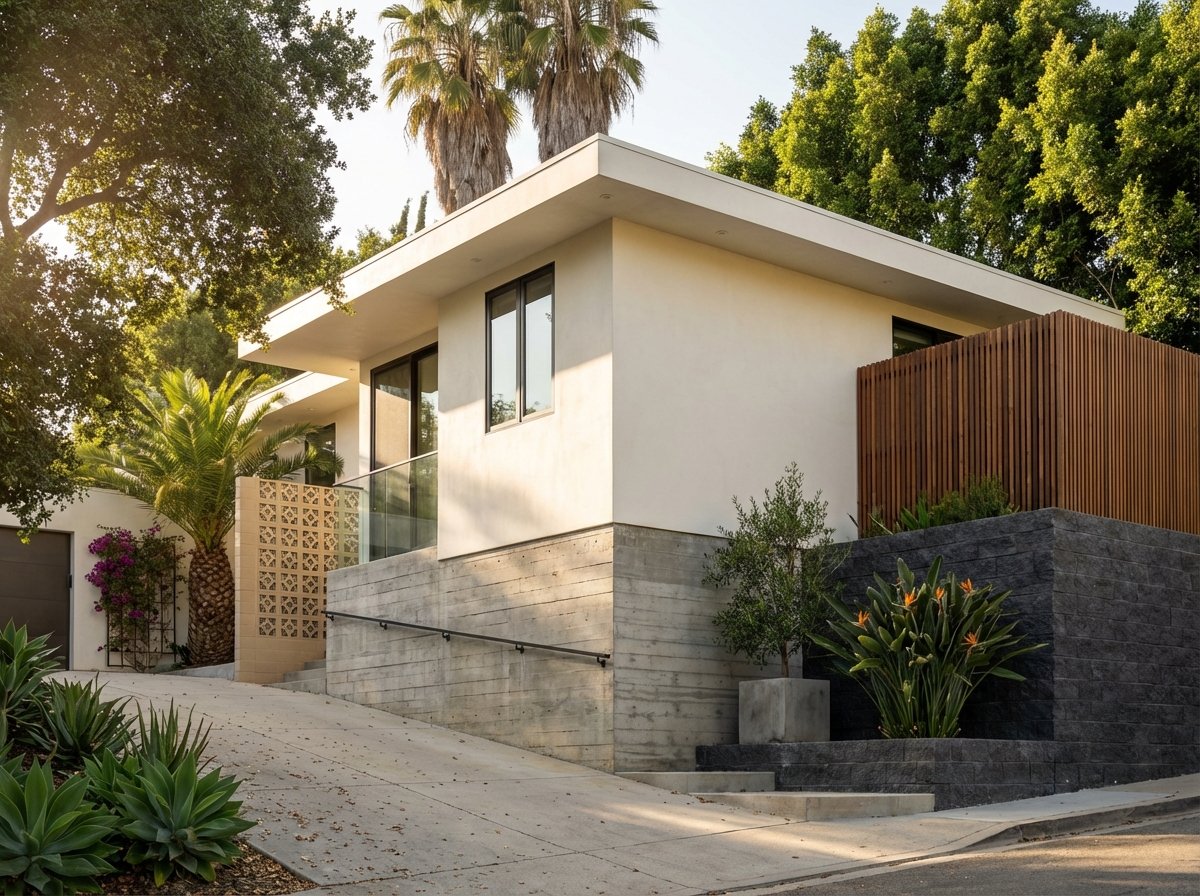
Encino’s mix of flat Valley‑floor parcels and hillside‑adjacent sites drives both cost and complexity. South of Ventura Boulevard, you’ll find flatter lots with easier access and staging, which usually keeps site work and logistics simpler. On sloped or transition lots that rise toward the hills, grading, retaining walls, specialized foundations, drainage, and geotechnical work can add substantial expense and time.
Trees and lot shape also matter. Mature trees can require arborist reports and removal permits, which may influence layout and schedule. Smaller or irregular infill lots often demand more design creativity and can trigger requests for variances or exceptions related to setbacks, floor‑area ratio, or parking.
Before you choose a path, confirm your zoning, any hillside rules, tree protections, and potential overlays with Los Angeles City Planning and the Department of Building and Safety. These determine what is allowed on your site and how long approvals may take.
What really drives cost
Total project cost combines construction, site work, professional fees, permits, financing, and contingency. In Encino, local labor pricing, code enforcement, and site conditions add upward pressure.
- Hard costs (construction): Structure, finish level, and mechanical, electrical, and plumbing scope set the baseline. Complex foundations, basements, or multi‑story builds increase cost. Tight access or hillside logistics can push bids higher.
- Site and civil work: Demolition, hazardous materials abatement, grading, soil export or import, retaining walls, shoring, and foundation waterproofing are major variables, especially on sloped lots. Driveways, hardscape, and landscape add up.
- Soft costs and professional fees: Architecture, structural and MEP engineering, surveys, soils and geotechnical reports, energy compliance, and required inspections typically add 10 to 25 percent or more of hard construction costs, with complex projects trending higher.
- Permits and city fees: Plan check and building permits scale with declared valuation. You may also see sewer, water, and school fees, and additional charges if you need variances or other discretionary approvals.
- Financing and carrying costs: Construction loan interest and fees, property taxes during the build, insurance, contractor overhead, and profit are part of the total.
- Contingency: Older Valley homes often reveal surprises like dry rot, seismic retrofit needs, or poor soils. Many owners plan 10 to 20 percent contingency for remodels and 5 to 15 percent for new builds, depending on complexity.
Remodel or rebuild: how to compare
Start with scope, site, and risk. If your plan includes major structural changes, full systems replacement, and significant additions, a remodel can approach new‑build cost per square foot. On flatter Encino lots, a new build can become competitive because you can optimize layout, systems, and energy performance without the constraints of an older structure.
A common rule of thumb used by builders: if the total remodel budget reaches roughly 60 percent or more of a comparable new build, a teardown often becomes the stronger option. This threshold is directional, not absolute. Always test it with real bids and local comps.
When a remodel makes sense
- You like the basic layout and only need targeted updates to kitchens, baths, and finishes.
- You can phase improvements and keep most systems intact, or replace them without extensive reconfiguration.
- The lot has hillside constraints that make new excavation, grading, or retaining walls expensive.
- You want a shorter path to market with selective upgrades that boost appeal.
When a new build makes sense
- The lot is flat and accessible, and you want a significant program change, such as a new floor plan, modern systems, and high‑end finishes.
- The existing structure requires moving major load‑bearing walls, extensive systems replacement, and sizable additions that push remodel cost toward new‑build territory.
- You want maximum efficiency, code compliance, and energy performance that are easier to achieve with a ground‑up design.
Permits and timelines in Los Angeles
Permitting flows through the Los Angeles Department of Building and Safety, with possible input from City Planning for discretionary items. Plan check times vary with scope and completeness of your submittal, and LADBS offers expedited options for an additional fee.
- Strategic remodels with mainly interior work or limited additions often move from plan check to permit within weeks to a few months, with total construction duration commonly 3 to 12 months.
- Major remodels with structural changes and expansions frequently see plan check of 2 to 6 months or more and 6 to 12 months of construction.
- Ground‑up custom homes typically require several months to a year to clear plan check and any entitlements, followed by 12 to 24 months of construction. Hillside or complex sites can extend both.
Risk factors that add time and cost
- Discretionary approvals: Variances, conditional use permits, or neighborhood compatibility reviews add months and may require public hearings.
- Hillside rules and grading: Baseline Hillside Ordinance provisions limit grading and habitable area and often require detailed geotechnical and civil engineering.
- Protected trees: Arborist reports and removal permits can influence design and schedule.
- Incomplete submittals: Missing reports or noncompliant energy documentation cause plan check delays.
ADUs as a third option
If you want more space without expanding the main structure, an accessory dwelling unit can be a cost‑effective way to add value. Los Angeles has relatively permissive ADU rules, but you still need to meet zoning, setback, and utility requirements. For rental income or multigenerational living, an ADU can be a compelling alternative to a large addition.
A simple step‑by‑step plan
- Get a preliminary site assessment: survey, basic soils or geotech if the lot slopes, and a tree inventory if you have mature vegetation.
- Ask an architect for a feasibility study with a schematic budget that tests both remodel and new‑build paths.
- Request 2 to 3 preliminary contractor bids that price your remodel scope and a comparable new build so you can see where costs converge.
- Check with LADBS and City Planning early to flag potential overlays, hillside triggers, or discretionary approvals.
- Build in realistic timelines and contingencies before committing to a path.
Bottom line for Encino owners
On south‑of‑Ventura flat lots, new construction often compares well when you want a full reset of layout, systems, and finishes. On sloped or hillside‑adjacent sites, grading, geotechnical requirements, and retaining walls can make a strategic remodel more attractive. The smart move is to test both options with real numbers, verify your site’s constraints, and weigh the time and risk involved.
If you want a clear read on how each path could affect resale and market positioning in Encino, reach out to The Kumar Group. We’ll help you evaluate the market case for remodeling versus rebuilding so you can make a confident, timing‑aligned decision.
FAQs
How much does a rebuild cost in Encino?
- Costs vary by size, finish level, and site conditions, so obtain local contractor bids and include soft costs, permit fees, and a 5 to 15 percent contingency for complexity.
How much does a remodel cost in Encino?
- Cosmetic updates are far less than full structural reconfigurations, but once you relocate kitchens or baths, replace major systems, and add square footage, costs can approach new‑build territory.
How long do Los Angeles permits take for remodels and new builds?
- Simple remodels can clear plan check in weeks to a few months, complex remodels often take several months, and ground‑up homes typically require many months for plan check plus 12 to 24 months of construction.
What special rules apply to hillside lots in Encino?
- Los Angeles hillside provisions, including the Baseline Hillside Ordinance, add grading limits, geotechnical studies, and design standards that increase cost and extend timelines.
Can protected trees or neighborhood rules affect a teardown or remodel?
- Yes, protected tree ordinances, potential historic or design overlays, and related permits can limit removal, require mitigation, and influence design and schedule.
When is an ADU a smart alternative to adding on?
- If you want extra space for guests, work, or rental income without expanding the primary residence, an ADU can be a lower‑cost, zoning‑compliant way to add value.
Which professionals should you consult first for an Encino project?
- A local architect, a geotechnical engineer for sloped sites, and a licensed general contractor, along with early contact with LADBS or City Planning, help validate feasibility and timeline.