If you love the idea of quiet, view-driven living but still want dinner, drinks, or a quick night out within easy reach, living above the Sunset Strip offers a rare Los Angeles balance. This part of Hollywood Hills West gives you a hillside setting that feels tucked away, while one of the city’s most active dining and entertainment corridors sits just below. If you are considering a move here, understanding that contrast can help you decide whether the lifestyle truly fits. Let’s dive in.
Where “above the Strip” actually is
In local terms, “above the Sunset Strip” refers to the hill neighborhoods immediately north of the Sunset Strip corridor in West Hollywood. The Sunset Strip itself is a 1.6-mile stretch of Sunset Boulevard in West Hollywood, bordered by Los Angeles on the east and Beverly Hills on the west.
Hollywood Hills West is not a flat, easy grid. It is a hillside residential area with boundaries that reach West Hollywood’s northern edge, with Laurel Canyon forming part of the western boundary and neighborhood areas that include places like Nichols/Runyon, Hollywood/Sunset, Laurel Canyon, and Mulholland Drive.
That geography shapes nearly everything about daily life here. You are not simply living near the Strip. You are living above it, with elevation, winding streets, and a clear separation between the private residential hills and the activity below.
The biggest appeal: calm above, energy below
One of the strongest draws of Hollywood Hills West is the contrast. Up in the hills, the atmosphere can feel more secluded, more residential, and more oriented around views, privacy, and architecture.
Just below, the Sunset Strip brings a very different rhythm. West Hollywood highlights the area as a hub for nightlife, dining, shopping, and hotels, with well-known destinations like Whisky a Go Go, Tower Bar, and Rainbow Bar & Grill contributing to its long-standing identity.
That means your lifestyle can shift quickly depending on what you want from the day. You can spend the morning in a quiet hillside setting, then head down for brunch, dinner, or an evening out without planning a major cross-city trip.
What daily convenience really feels like
The phrase “close to the Strip” sounds simple, but in practice, convenience here is about timing as much as distance. The closer your home is to the lower hillside streets, the easier it may feel to make a spontaneous trip down for coffee, dinner, or errands.
West Hollywood’s Sunset Plaza area is designed for destination-style visits, with cafés, restaurants, spas, shops, and even 600 free parking spots. For residents above the Strip, that supports a lifestyle where short outings are realistic, but usually more by a quick drive down the hill than by an easy flat walk.
That distinction matters if you are comparing this area with neighborhoods that offer a more traditional street-level, walkable routine. Here, the appeal is not everyday sidewalk convenience. It is private hillside living with fast access to city energy when you want it.
Dining and nightlife are part of the draw
If you enjoy having great options nearby, this location delivers. Visit West Hollywood points to dining spots such as The Butcher, The Baker, The Cappuccino Maker, Sushiya, Bossa Nova, and Saltie Girl as part of the broader Sunset Strip and Sunset Plaza experience.
For many buyers, that means your social life can stay local. Meeting friends for dinner, planning a low-effort date night, or heading out for weekend brunch can feel much easier when one of Los Angeles’ best-known dining and entertainment corridors is just below your neighborhood.
At the same time, the hills give you some separation from the pace of the Strip itself. That is part of what makes the area appealing to people who want access without immersion.
Commute reality in Hollywood Hills West
Living above the Sunset Strip can put you in a strong position for reaching West Hollywood and parts of the studio corridor, but commute expectations should stay realistic. In the hills, access and circulation are very real parts of the lifestyle.
The Hollywood Hills West Area 2 focus on Cahuenga Pass and Universal City reflects how important these connectors are. The area includes the Universal MTA Station, CityWalk, Cahuenga Boulevard West, and homes between Cahuenga Boulevard and Mulholland Drive, showing how closely the neighborhood is tied to major through-routes.
Caltrans work on the Cahuenga Pass segment of U.S. 101 also reinforces how critical that corridor is for movement through the hills and toward the Valley. If your routine takes you into West Hollywood, Hollywood, Universal City, or across the hill, your experience may vary significantly depending on hour, route, and current road conditions.
Traffic changes the experience fast
One of the most important truths about this area is that two homes with similar map proximity can feel very different in practice. Event nights, peak commute hours, road work, and localized congestion can all shift how easy or frustrating a trip feels.
The Hollywood Hills West Neighborhood Council transportation agenda tracks issues such as Hollywood Bowl traffic, street repairs, street-light outages, speeding, and tour-bus operations. That tells you something important: this is a neighborhood where circulation is part of everyday life, not a minor detail.
If you value predictability above all else, that tradeoff deserves attention. If you are comfortable planning around timing in exchange for views, privacy, and character, it may feel well worth it.
Homes here respond to the hillside
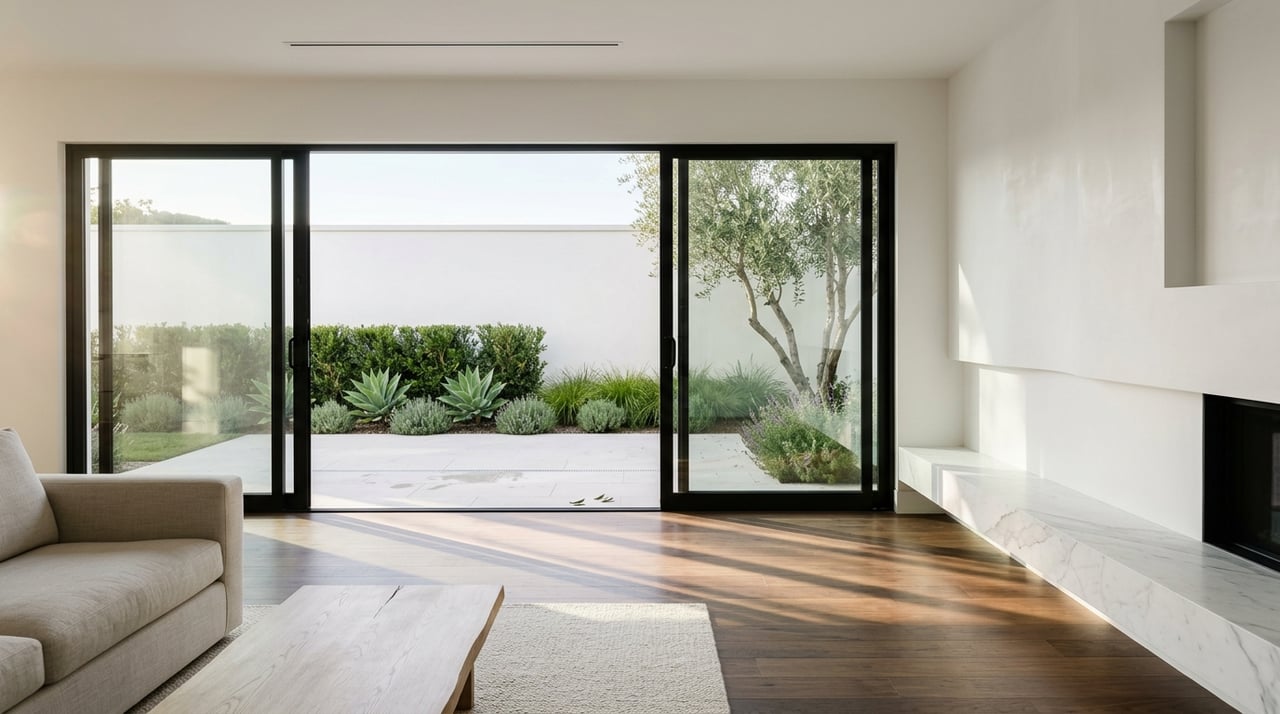
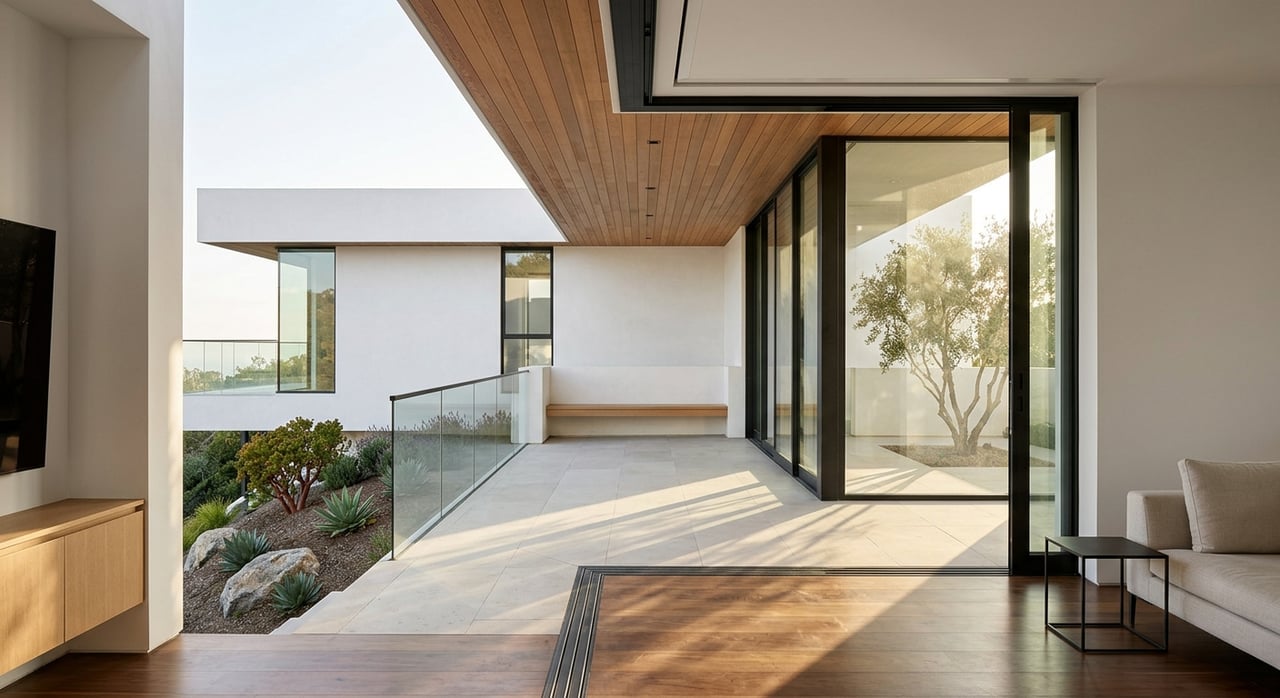
Architecture is a major part of the identity above the Sunset Strip. Because these are rugged hillside lots rather than standard flat parcels, homes often reflect custom solutions to slope, outlook, and privacy.
A city planning report on the Polito House offers a clear example. Built on a near-vertical lot, the home used windows to capture city and Hollywood Hills views while also using design choices like sandblasted glass to create privacy.
That balance is common in the area. Many homes are designed not just to sit on the land, but to work with it, often using terraces, stepped forms, and carefully placed glazing to make the most of difficult sites.
Design is part of the neighborhood identity
The broader Hollywood Hills has long been associated with hillside Modernism. The LA Conservancy points to landmarks like the Chemosphere and describes how architects such as Schindler, Lautner, Kappe, and Dorman created homes in the 1940s and 1950s that responded directly to steep terrain and expansive views.
That history still shapes buyer expectations today. Rather than one uniform look, you will often find a mix of bespoke homes with distinct architectural personalities, each shaped by its lot, orientation, and relationship to the hillside.
For design-aware buyers, that can be a major advantage. The appeal here often goes beyond square footage and finishes. It is about how a home frames the city, manages privacy, and creates a sense of retreat.
Privacy is real, but so are the tradeoffs
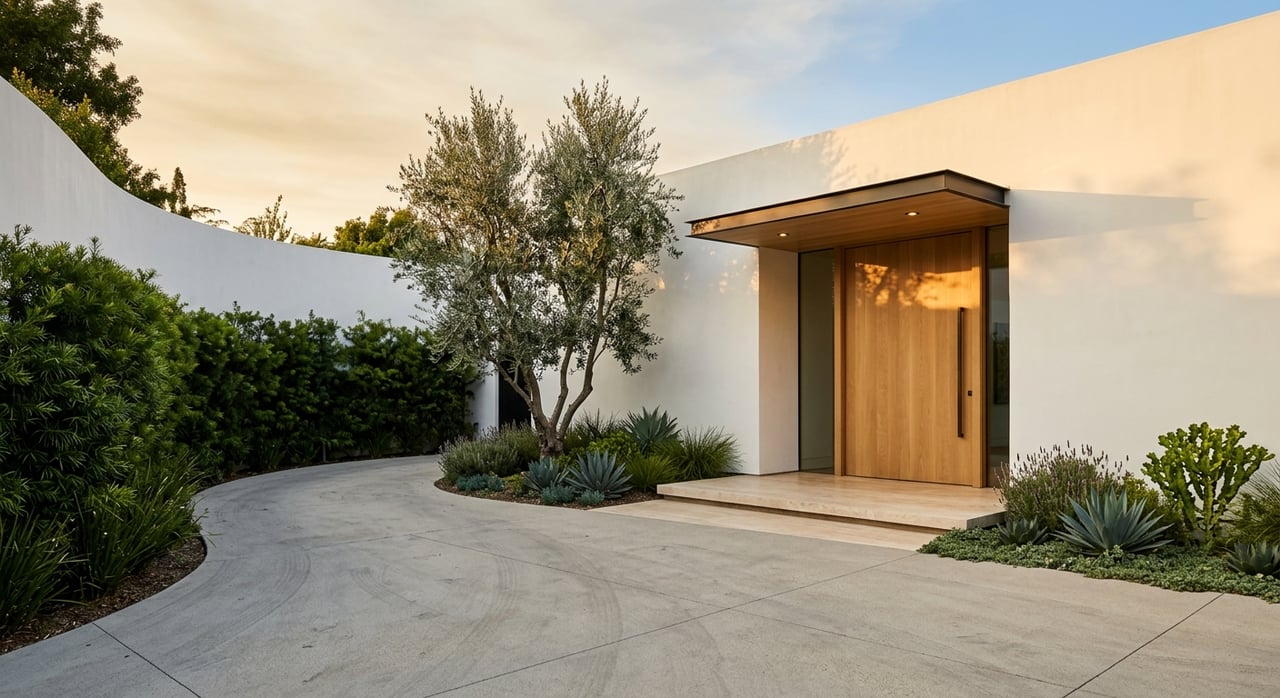
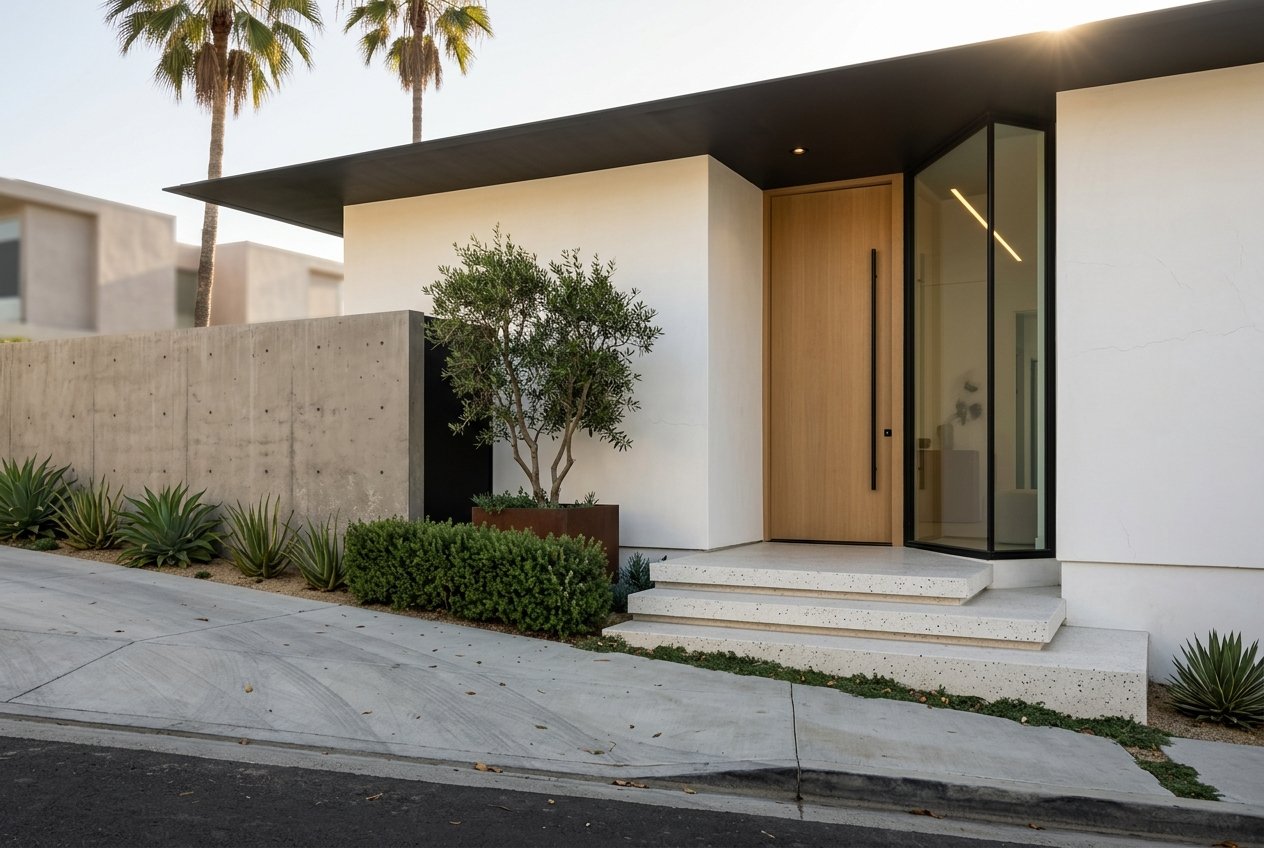
Privacy is one of the clearest lifestyle benefits of living above the Strip. Hillside homes often sit above the street, behind landscaping, or with layouts that orient living spaces toward views instead of public frontage.
That can create a more secluded feel than you might expect this close to one of Los Angeles’ busiest entertainment zones. In many cases, the setting itself does part of the work, using elevation and lot shape to separate the home from the street.
Still, seclusion does not mean zero friction. The same neighborhood discussions that highlight the area’s appeal also point to road repairs, street-light issues, speeding, and pressure from tour buses and short-term rental concerns in some parts of the hills.
Who tends to love this lifestyle
Living above the Sunset Strip often appeals to buyers who want design, views, and privacy without giving up immediate access to city life. You may be a strong fit for this area if you like the idea of a home that feels tucked away, yet keeps dining, nightlife, and key Los Angeles destinations close.
This lifestyle can also work well if you appreciate architecture and understand that hillside living comes with tradeoffs. Streets may be more complex, access may be more traffic-sensitive, and convenience may feel different than it does in flatter neighborhoods.
For the right buyer, though, that is exactly the point. You are choosing a setting with character, elevation, and a strong sense of place, not generic convenience.
What to consider before you buy
Before buying above the Sunset Strip, it helps to look beyond photos and address prestige. Spend time evaluating how a specific location feels at different times of day and how the home interacts with its site.
A few practical questions can help:
- How quickly can you get down the hill during normal weekday conditions?
- How does the route feel during evening traffic or event-heavy nights?
- Does the home prioritize views, privacy, or both?
- How steep is the lot, and how does that shape access and usability?
- Does the location feel like a retreat, or does it feel too removed for your routine?
The best purchase here is usually not just about the house itself. It is about finding the right balance between hillside calm and city access for your specific lifestyle.
If you are weighing a move in Hollywood Hills West, working with an advisor who understands the area street by street can make a real difference. The Kumar Group offers discreet, design-aware guidance for buyers and sellers navigating Los Angeles’ most nuanced micro-markets.
FAQs
What does living above the Sunset Strip mean in Hollywood Hills West?
- It generally means living in the hill neighborhoods immediately north of the Sunset Strip in Hollywood Hills West, where elevated residential streets sit above the dining, nightlife, and shopping corridor on Sunset Boulevard.
Is Hollywood Hills West above the Sunset Strip walkable?
- Parts of the Sunset Strip and Sunset Plaza are walkable destination areas, but most homes above the Strip are in hillside locations where daily outings are more often a quick drive down the hill than a flat neighborhood walk.
What is the commute like from above the Sunset Strip?
- Commutes can be convenient for reaching West Hollywood, Hollywood, Universal City, and nearby studio areas, but traffic, event nights, road work, and hill access routes can change travel times quickly.
What kinds of homes are common above the Sunset Strip?
- The area is known for architecturally distinctive hillside homes, including many that respond directly to steep lots with terraces, view-oriented windows, stepped forms, and privacy-focused design.
Is living above the Sunset Strip private?
- Many homes feel private because of elevation, lot shape, landscaping, and layouts that face views rather than the street, though buyers should also consider practical factors like road conditions, traffic flow, and tour-bus activity in some areas.