If you own or are considering a view home in Hollywood Hills West, the renovation choices you make can either sharpen the home’s value or blur what made it special in the first place. In this hillside pocket of Los Angeles, buyers tend to respond to homes that respect the original architecture, frame the view well, and feel thoughtfully updated for modern living. This guide walks you through the design moves that matter most, from glazing and shade to site work, permitting, and fire hardening. Let’s dive in.
Why architecture should lead
Hollywood Hills West view homes sit within a broader Los Angeles modernist tradition shaped by glass, light, and hillside placement. Local architectural references like the Stahl House, Bailey House, and Kun House help define the visual language many buyers associate with this part of the city: open plans, strong indoor-outdoor connection, dramatic overhangs, and a clear relationship to the site.
For that reason, the strongest renovations usually do not try to erase the home’s original logic. Instead, they tend to preserve the massing and material character of the house so the update feels intentional, not generic. In practical terms, that often means refining what is already there rather than overpowering it with a larger but less coherent remodel.
The City of Los Angeles also frames design around maintaining neighborhood form and character while encouraging quality design. For a Hollywood Hills West view home, that makes restraint a smart design choice. A renovation that feels aligned with the hillside setting often reads as more timeless and more marketable.
Prioritize views and daylight
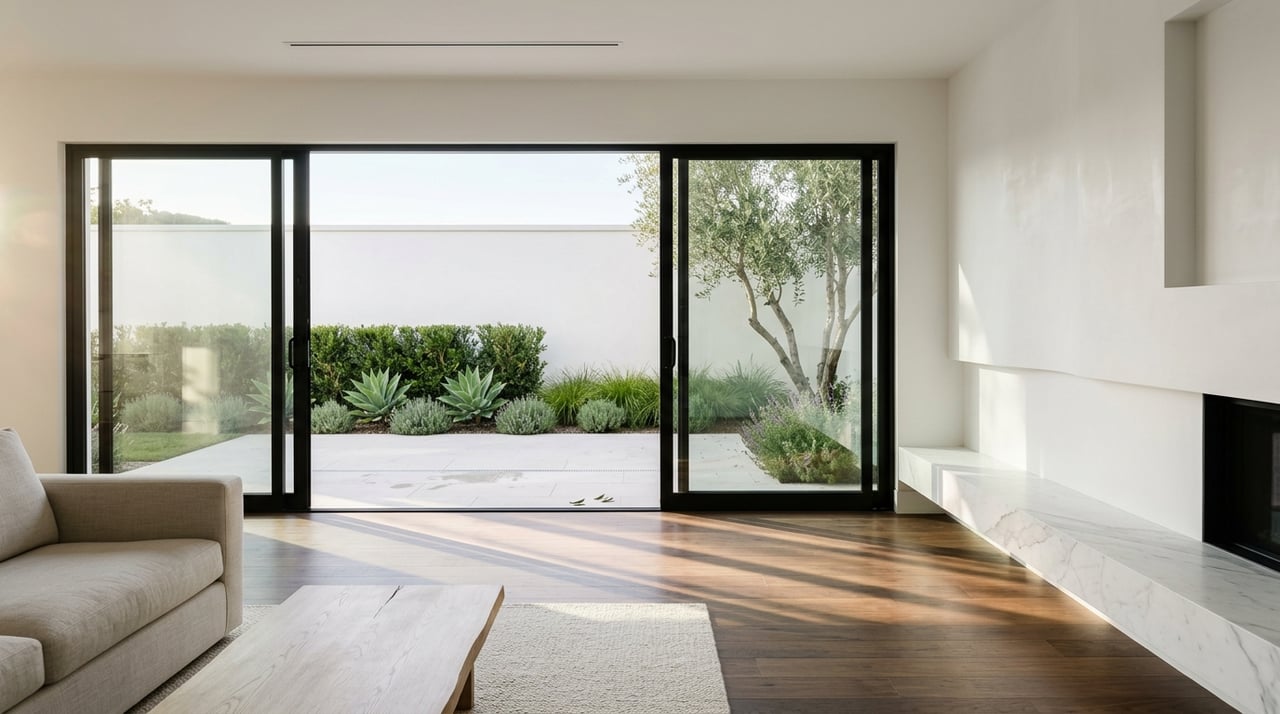
A view home should feel connected to light from the moment you walk in. Large windows, sliders, and skylights are the main tools for making interiors brighter while keeping the focus on outward orientation. The U.S. Department of Energy notes that daylighting through windows and skylights can reduce the need for artificial lighting while supporting views, ventilation, and solar heating.
In many Hollywood Hills West homes, that means evaluating where glass adds the most impact. A well-placed wall of glazing in the main living area can do more for the feel of the home than a long list of cosmetic upgrades. If your home already has strong openings, the renovation opportunity may be in upgrading performance rather than changing the whole concept.
This is also where a design-forward renovation becomes strategic. Buyers do not just notice square footage. They notice how a home captures morning light, how it frames the city beyond, and whether the transition from interior to terrace feels easy and natural.
Keep glass efficient
More glass is not always better if it introduces heat, glare, or comfort issues. Energy-efficient windows can help preserve the benefits of daylight without creating the same heating and cooling problems older glazing can bring. On a hillside property, that balance matters because comfort affects how often the best rooms actually get used.
If you are preparing a home for sale, this kind of upgrade can support both function and presentation. The story is not just that the home has views. It is that the views are paired with livable, well-considered spaces.
Control heat without losing the view
West-facing glass is often one of the biggest design opportunities and one of the biggest challenges in Los Angeles. The same walls of glass that create dramatic sunset moments can also bring glare and unwanted summer heat gain. That makes shading strategy just as important as window placement.
According to the U.S. Department of Energy, awnings can reduce summer solar heat gain by up to 65 percent on south-facing windows and up to 77 percent on west-facing windows. DOE also notes that exterior solar screens can reduce heat gain, glare, and UV damage while preserving outward visibility.
For a Hollywood Hills West renovation, the takeaway is simple: protect the comfort of the house without interrupting the view lines. Exterior shades, awnings, and solar screens can all support that goal when they are integrated into the architecture. The best solutions feel quiet and intentional, not added as an afterthought.
Use shade as part of the design
Shading elements work best when they relate to the home’s overall form. Overhangs, screens, and carefully placed exterior treatments can help the house perform better while still preserving the crisp visual language buyers expect in a hill home. In many cases, the right heat-control move improves both the look and the daily usability of the property.
Open the floor plan carefully
Many older hillside homes have layouts that feel more segmented than today’s buyers prefer. In this setting, a partial open-plan remodel often fits better than a heavily compartmentalized floor plan. The Bailey House is a useful example of how open planning and sliding doors can make a home feel larger, brighter, and better ventilated without adding bulk.
That does not mean every wall should come down. A design-forward renovation usually edits the plan with purpose, improving sight lines, circulation, and indoor-outdoor flow while keeping the home’s structure and identity legible. In a view property, even a modest reconfiguration can have a big impact if it improves the way the primary rooms relate to the landscape.
If your project changes the floor plan, structural walls, or circulation, permits are required through the Los Angeles Department of Building and Safety. LADBS requires permits for interior modifications, floor-plan changes, additions, and structural alterations. This is one reason early coordination matters.
Make outdoor living fit the slope
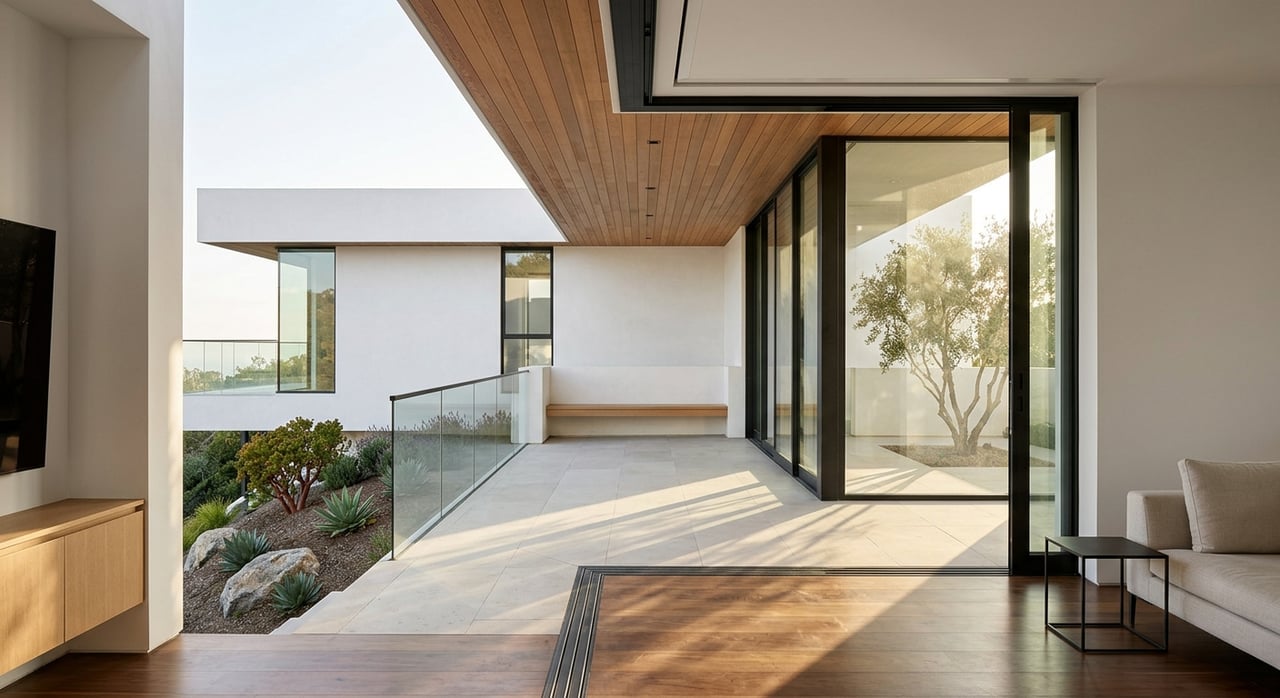
Outdoor space is a major part of the value story in Hollywood Hills West, but it has to feel appropriate to the hillside site. Terraces, decks, and outdoor rooms usually work best when they step into the slope rather than dominate it. That approach is consistent with the broader local emphasis on preserving views, minimizing grading, and respecting natural topography.
Even when a property is not directly on Mulholland Drive, the Mulholland Scenic Parkway Specific Plan offers a useful design reference. Its goals include preserving and enhancing views, minimizing grading, preserving topography, and reducing visual intrusion. Those principles align closely with what tends to feel right on a hill property in this market.
For sellers, this matters in presentation. Buyers often respond more strongly to outdoor spaces that feel calm, integrated, and easy to use than to oversized site work that looks forced. Good design on a hillside lot often reads as confidence and restraint.
Plan grading and retaining work early
Site work in hillside Los Angeles often has permit consequences. LADBS says grading permits are required for hillside earthwork, removal and re-compaction, or backfill, and soils or geology reports are usually required before permits are issued. Drainage calculations, slope cross-sections, and retaining wall details may also be part of the review package.
That means site design is not something to figure out late in the process. If a renovation includes new terraces, retaining walls, or meaningful changes to the lot, the cleanest path is usually to coordinate architecture, engineering, grading, and landscaping from the start.
Do not overlook driveway design
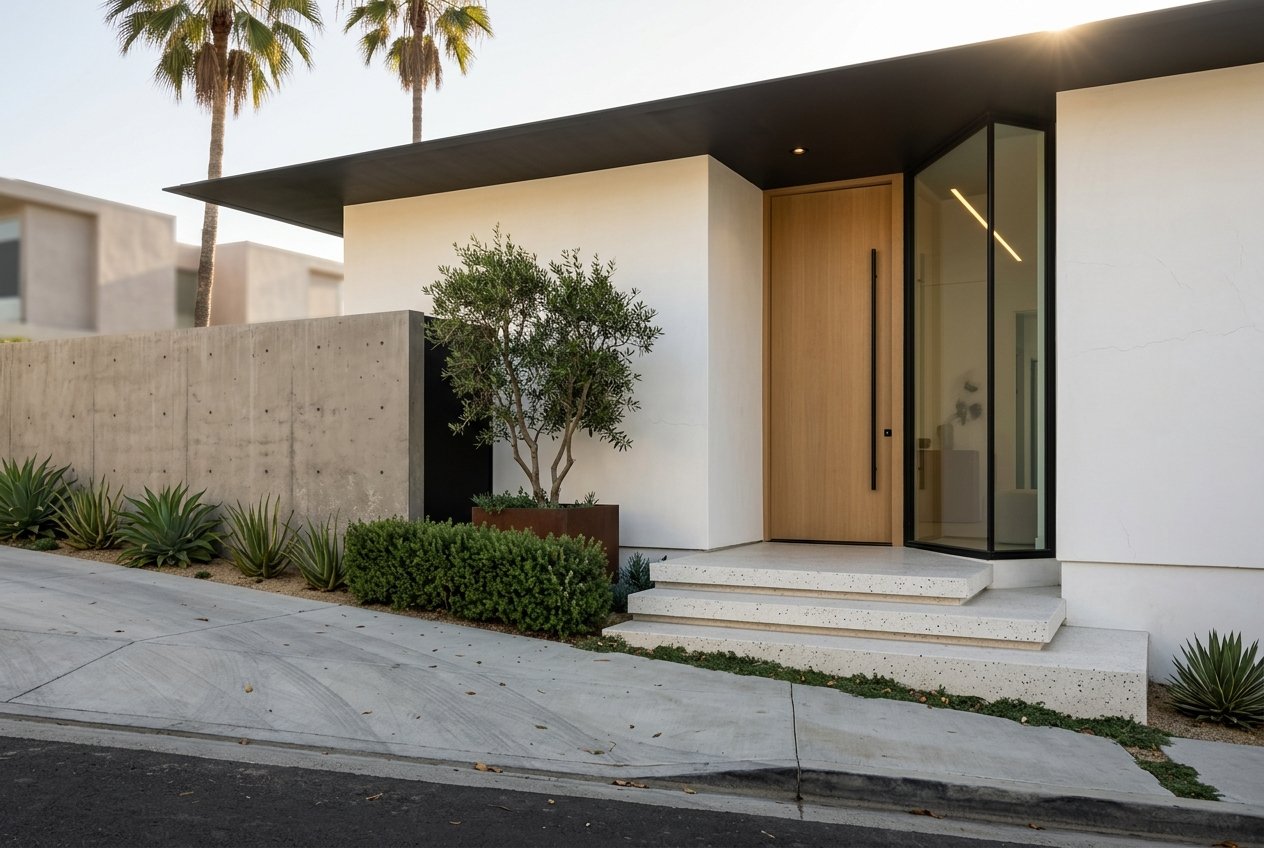
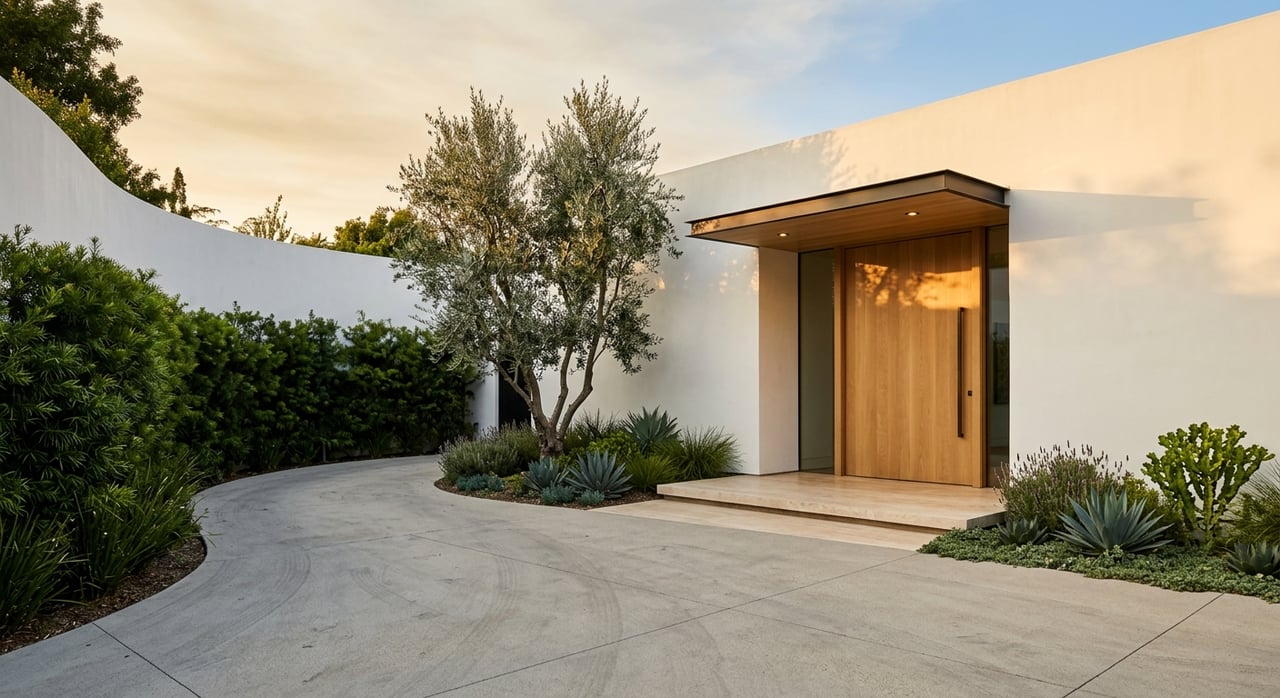
On steep lots, the arrival sequence is more than a visual detail. It can directly affect usability, safety, and how the home presents from the street. Front-of-house improvements like driveway widening, planting layout, and guardrail placement deserve as much attention as rear terraces and view decks.
LAFD says a driveway intended for emergency access should be at least 12 feet wide, provide 15 feet of vertical clearance, and remain under a 5 percent slope. On a hillside property, those standards can shape design decisions early. A refined front entry is valuable, but it also needs to function within hillside realities.
Use lighting with restraint
Exterior lighting can either support the architecture or compete with it. In hillside settings, low-glare, shielded, and carefully aimed lighting usually feels more appropriate than bright, exposed fixtures. This is especially relevant where scenic protection and reduced visual intrusion are part of the planning framework.
For a design-forward renovation, subtle lighting often does more than dramatic lighting. It can highlight paths, terraces, and architectural edges while keeping the night view and the house itself visually calm.
Build fire hardening into the remodel
In hillside Los Angeles, wildfire resilience should be part of the renovation brief from the beginning. CAL FIRE defines home hardening as using ignition-resistant building materials, safe landscaping, and preventative measures to reduce fire risk. LAFD’s Firewise guidance recommends fire-resistant roofs, walls, windows, decks, porches, fences, screened vents, and clean roof and deck edges.
This is one of the clearest places where design and practicality meet. Materials, detailing, and landscape decisions can support both long-term durability and a cleaner, more intentional exterior. Buyers in hillside areas often look closely at whether a home feels prepared for local conditions.
Understand brush clearance rules
For parcels in a Very High Fire Hazard Severity Zone, LAFD requires year-round brush clearance within 200 feet of structures and 10 feet of combustible fences or driveways, with grass and brush maintained to low heights. That makes low-fuel, drought-tolerant landscaping and clean perimeter conditions an important part of a value-add renovation.
If you are evaluating a property before purchase, this is also part of due diligence. Landscaping is not just about appearance on a hillside lot. It can affect maintenance, compliance, and how manageable the property feels over time.
Check hillside rules before finalizing plans
Before design work gets too far, it is smart to confirm whether the property falls within a designated hillside area or other overlay. City Planning says the Baseline Hillside Ordinance applies to single-family R, RS, RE, and RA lots in designated hillside areas and is part of the city’s effort to limit out-of-scale hillside development. Owners and buyers can check parcel information in ZIMAS.
If a property is visible from Mulholland Drive, there may also be scenic-corridor review under the Mulholland Scenic Parkway Specific Plan. That review process is intended to ensure conformance with development standards and scenic-protection goals.
This is one of the biggest reasons renovation planning in Hollywood Hills West benefits from early diligence. It is easier to shape a strong design around the applicable rules than to redesign after assumptions fall apart.
What buyers and sellers should focus on
If you are a seller, the strongest renovation story is usually straightforward. Preserved view lines, improved daylight, smoother indoor-outdoor flow, restrained modern detailing, and thoughtful fire-conscious upgrades tend to resonate more than flashy changes that ignore the architecture or the site.
If you are a buyer, the key questions come early. Check hillside overlays, fire-zone rules, grading needs, and whether scenic review may apply. If the home has architectural significance, documentation of the original design and careful treatment of original materials can also matter.
In short, the renovation profile that best fits Hollywood Hills West is clear: preserve the architecture, use glass and shade intelligently, keep site work restrained, and harden the home for hillside and wildfire conditions. That combination tends to support both better living and stronger positioning in the market.
Whether you are preparing to buy, sell, or evaluate a renovation opportunity in Hollywood Hills West, a design-aware strategy can protect what makes a view home valuable in the first place. If you want guidance tailored to the property, market position, and renovation story, The Kumar Group is here to help.
FAQs
What renovations add the most value to a Hollywood Hills West view home?
- The most compelling upgrades usually preserve view lines, improve daylight, create better indoor-outdoor flow, and respect the home’s original architectural character.
What should buyers check before remodeling a Hollywood Hills West hillside home?
- Buyers should confirm hillside overlays, fire-zone requirements, grading needs, permit triggers, and whether scenic review may apply through local planning rules.
Do floor-plan changes require permits in Los Angeles hillside homes?
- Yes. LADBS requires permits for interior floor-plan changes, structural alterations, additions, and other significant modifications.
How can you reduce heat in a Hollywood Hills West view home without blocking the view?
- Exterior shades, awnings, and solar screens can reduce glare and heat gain while maintaining light and outward visibility.
What fire hardening features matter for Hollywood Hills West homes?
- Fire-resistant roofs, walls, windows, decks, screened vents, and maintained brush clearance are key features for hillside homes in fire-prone areas.
Why does restrained site work matter in Hollywood Hills West renovations?
- On hillside lots, decks, terraces, grading, lighting, and retaining work usually perform best when they follow the slope, preserve topography, and minimize visual intrusion.