Buying a condo in West Hollywood is not just about the unit itself. You are also buying into a building’s rules, budget, and amenity package, and those details can shape your day-to-day experience as much as the floor plan or view. If you are comparing condo buildings in West Hollywood, this guide will help you understand which HOA rules matter most, how amenities affect costs, and what to review before you move forward. Let’s dive in.
Why HOA Details Matter
In West Hollywood condo buildings, the homeowners association is part of the property story. In California common-interest developments, the HOA enforces rules, collects dues and assessments, and operates under its own governing documents, including CC&Rs, bylaws, and operating rules.
That means two buildings with similar pricing and amenities can feel very different in practice. One may have straightforward renovation approvals and stable reserves, while another may have tighter use rules, pending assessments, or added costs tied to common areas.
What Monthly Dues Usually Cover
Monthly HOA dues are regular assessments used for day-to-day operations and reserves. California guidance explains that these funds typically support ongoing building expenses, while special assessments are used for major repairs or unexpected costs.
Some buildings may also charge user fees for special use of association property. That matters when you are evaluating features like guest parking, reservable spaces, or other building perks that may look attractive at first glance but come with added costs.
California also limits how quickly dues can rise without member approval. A board generally may not increase regular assessments by more than 20 percent over the prior fiscal year, and special assessments that exceed 5 percent of budgeted gross expenses in aggregate typically require member approval.
What To Review Before You Make An Offer
Before closing, a seller must provide a substantial set of HOA documents to a prospective buyer. This package can include the governing documents, the most recent annual budget report, current assessment and fee statements, unresolved violation notices, approved assessment changes not yet due, rental restrictions if any, requested board minutes from the prior 12 months, and the latest exterior elevated element inspection report.
This is not just paperwork. In a West Hollywood condo purchase, these documents can tell you whether the building is financially prepared for future repairs, whether rules may affect your plans, and whether any known issues are already on the board’s radar.
Focus On The Annual Budget Report
The annual budget report deserves careful attention because it gives you a practical snapshot of the building’s financial health. Under California law, it must include a pro forma operating budget, reserve summary, reserve funding plan, deferred repair or replacement statements, possible special assessments, outstanding loans, insurance summaries, FHA and VA condominium status, and charges for document requests.
The insurance summary is especially important. It can indicate that the association’s policy may not cover unit improvements or personal property, and it may also note that owners could share in deductibles.
Check The Reserve Study
Reserve planning is a legal requirement in California, and it matters even more in older condo stock. Associations must perform a visual reserve inspection at least every three years for qualifying associations, review the study annually, identify major components with less than 30 years of useful life, estimate repair and replacement costs, and create a funding plan.
For you as a buyer, the key question is simple: does the reserve picture support the building’s actual maintenance needs? If not, today’s lower dues can become tomorrow’s higher assessments.
Review Inspection Reports Carefully
If the building has balconies, decks, or other exterior elevated elements, ask close questions about the latest inspection report. California requires a visual inspection at least every nine years, along with a written report that the HOA must retain.
If an immediate safety issue is found, the board must restrict access and notify the local enforcement agency. In practical terms, that makes this report highly relevant in many West Hollywood condo buildings, especially older or converted properties.
HOA Rules That Often Affect Daily Life
Every condo building has its own personality, and much of that comes from the rules. In West Hollywood, a few categories tend to matter more than others when you are deciding whether a building fits your lifestyle and long-term plans.
Pet Rules
Pet policies are often one of the first things buyers ask about, and for good reason. California law provides that for governing documents entered into, amended, or modified on or after January 1, 2001, an HOA may not prohibit at least one pet, subject to reasonable rules and regulations.
There is also protection for owners with already-allowed pets if later pet-count restrictions are adopted. In other words, if pets matter to you, do not stop at asking whether they are allowed. Ask how many, what types of rules apply, and whether any existing rights are grandfathered.
Renovation Approval
If you plan to update a kitchen, rework finishes, or make other physical changes, review the building’s architectural approval process early. California law requires HOAs that require approval for physical changes to use a fair, reasonable, and expeditious process, make decisions in good faith, and provide a written explanation if a request is denied.
In West Hollywood, city permits are also required before most building, plumbing, electrical, or mechanical alterations. So even in a design-forward building, renovation timing and approvals should be part of your upfront due diligence.
Move-In Logistics
Move-in day can be more complicated than buyers expect in a dense urban setting. West Hollywood offers moving and encroachment permits that can reserve street parking with official no-parking signs, and permits are required for vehicles over 24 feet long or over three-quarters of a ton when parked on residential streets.
The city also requires residential encroachment signs to be posted at least 72 hours before the move. In a condo purchase, that means it is worth asking not just whether the building allows move-ins on your preferred date, but also what the street parking process looks like.
Rental Restrictions
If you may rent the unit in the future, West Hollywood’s local rules are an essential part of the picture. The city states that short-term rentals are not allowed, rental properties must be registered, and residential tenancies are subject to tenant protections regardless of building type or age.
The city also states that units with certificates of occupancy before July 1, 1979 are subject to the full rent stabilization ordinance. If future flexibility matters to you, review both the building’s rental restrictions and the city’s rules before you commit.
How To Evaluate Amenities More Wisely
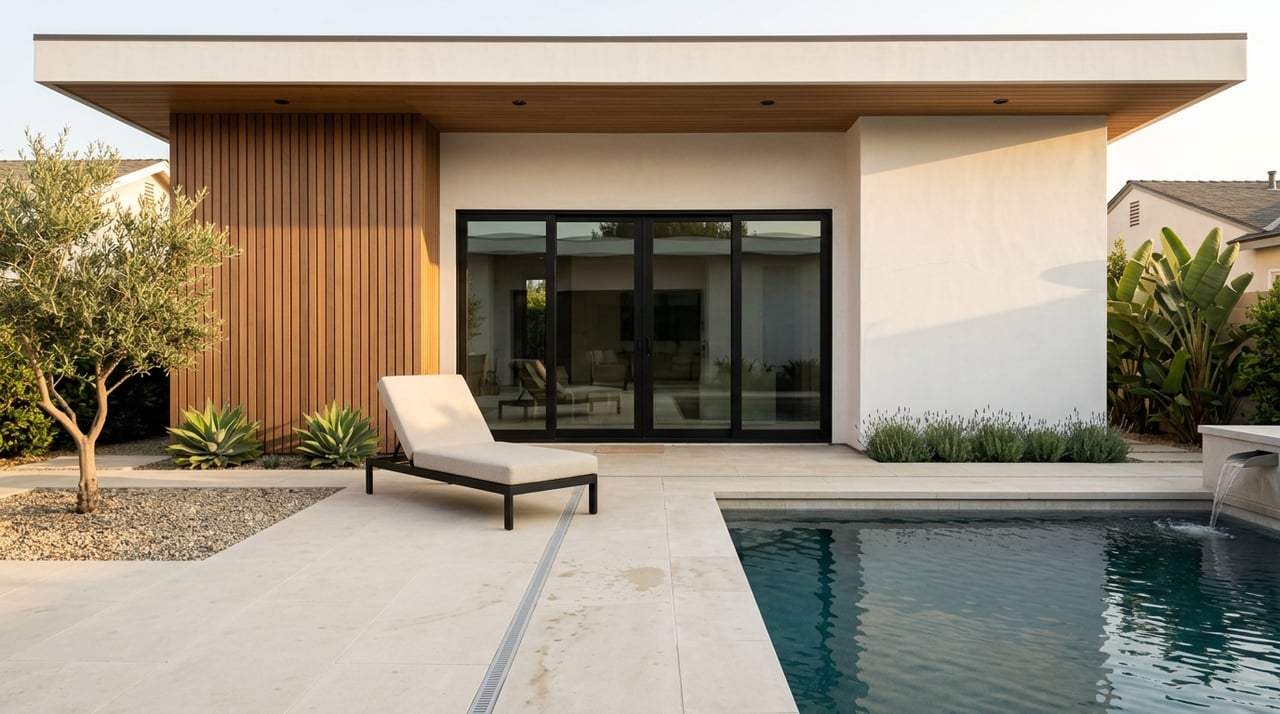
Amenities can be a real lifestyle benefit, but they should also be viewed as cost centers. Pools, gyms, rooftop spaces, staffed entries, lounge areas, and other shared features can shape your experience in a positive way, yet they also require ongoing maintenance, repairs, insurance, and reserve planning.
That is why the best question is not simply, “What amenities does this building have?” The better question is, “How are these amenities being paid for now, and how will they be maintained over time?”
Look Past The Marketing
California guidance recognizes that HOA budgets are built from operating expenses and reserves, and user fees may be charged for special use of association property. A polished amenity package may be completely reasonable in one building and financially stressful in another.
The annual budget report and reserve study can help you see whether amenity upkeep is being covered through regular dues, supported by healthy reserves, or likely to create pressure for future special assessments. That context is especially important when comparing buildings with very different dues structures.
Older Buildings Need Extra Scrutiny
In older or converted buildings, reserve pressure can surface faster. California’s Department of Real Estate notes that buyers in conversion projects can be surprised by actual maintenance needs and by assessment increases after any developer subsidy periods end.
In West Hollywood, where older and converted buildings are part of the housing mix, it is smart to evaluate amenities together with the reserve study, insurance summary, and any balcony or exterior elevated element inspection report. A rooftop deck or pool may be appealing, but the financial structure behind it matters just as much.
Smart Questions To Ask About A West Hollywood Condo HOA
When you are reviewing a condo building in West Hollywood, these questions can help you move beyond the surface:
- What do the monthly dues cover?
- How large is the reserve balance?
- Is any special assessment pending or being discussed?
- What is the association insurance deductible?
- Are any pet permissions grandfathered?
- How long does architectural approval usually take?
- What is the move-in parking process?
- Does the building have the latest balcony or exterior elevated element report?
These questions can reveal whether the building is well managed, financially prepared, and aligned with how you plan to use the property.
Why This Matters In West Hollywood
West Hollywood condo living often comes with strong design appeal, a walkable urban setting, and a broad mix of building styles. But the fine print can have a major effect on ownership costs, renovation timelines, move-in planning, pet flexibility, and future rental options.
That is why the HOA packet, reserve health, and amenity structure should be treated as part of the property itself, not as an afterthought. A well-chosen condo is not just about aesthetics or location. It is also about how the building operates behind the scenes.
If you are weighing condo options in West Hollywood and want a more strategic read on the numbers, rules, and tradeoffs behind each building, The Kumar Group can help you evaluate the details with clarity and discretion.
FAQs
What HOA documents should you review for a West Hollywood condo?
- You should review the governing documents, annual budget report, current assessment and fee statements, unresolved violation notices, approved assessment changes not yet due, rental restrictions, requested board minutes from the prior 12 months, and the latest exterior elevated element inspection report.
What do HOA dues cover in a California condo building?
- HOA dues are regular assessments that generally fund day-to-day operations and reserves, while special assessments are used for major repairs or unexpected expenses.
Can a West Hollywood condo HOA prohibit pets?
- In many cases, California law prevents an HOA from prohibiting at least one pet in governing documents entered into, amended, or modified on or after January 1, 2001, subject to reasonable rules and regulations.
What should you ask about condo amenities in West Hollywood?
- You should ask how amenities are maintained, whether upkeep is funded through regular dues or reserves, whether user fees apply, and whether future special assessments may be needed.
Can you use a West Hollywood condo as a short-term rental?
- No. The city states that short-term rentals are not allowed, and rental properties must be registered.
Why do reserve studies matter in West Hollywood condo buildings?
- Reserve studies help show whether the HOA is planning and saving for major repairs and replacements, which can affect future dues, special assessments, and overall building stability.