If you are shopping in the Hollywood Hills, one street can feel worlds apart from the next. That is especially true when you compare Beachwood Canyon, the Cahuenga Pass corridor, and Laurel Canyon, where terrain, access, and architecture shape daily life in very different ways. This guide will help you understand how these micro-neighborhoods differ so you can focus your search with more clarity and confidence. Let’s dive in.
Why micro-neighborhoods matter
Hollywood Hills is not one uniform residential area. City planning records describe it as the hillside portion of Hollywood on the south-facing slopes of the Santa Monica Mountains, with development following the natural contours of the Cahuenga Pass and nearby canyons such as Beachwood Canyon and Laurel Canyon.
For you as a buyer, that means topography is not just a backdrop. It directly affects how a home sits on its lot, how you access it, and how the neighborhood feels from day to day. A home labeled “Hollywood Hills” may offer a very different ownership experience depending on which pocket you choose.
What buyers should expect in the hills
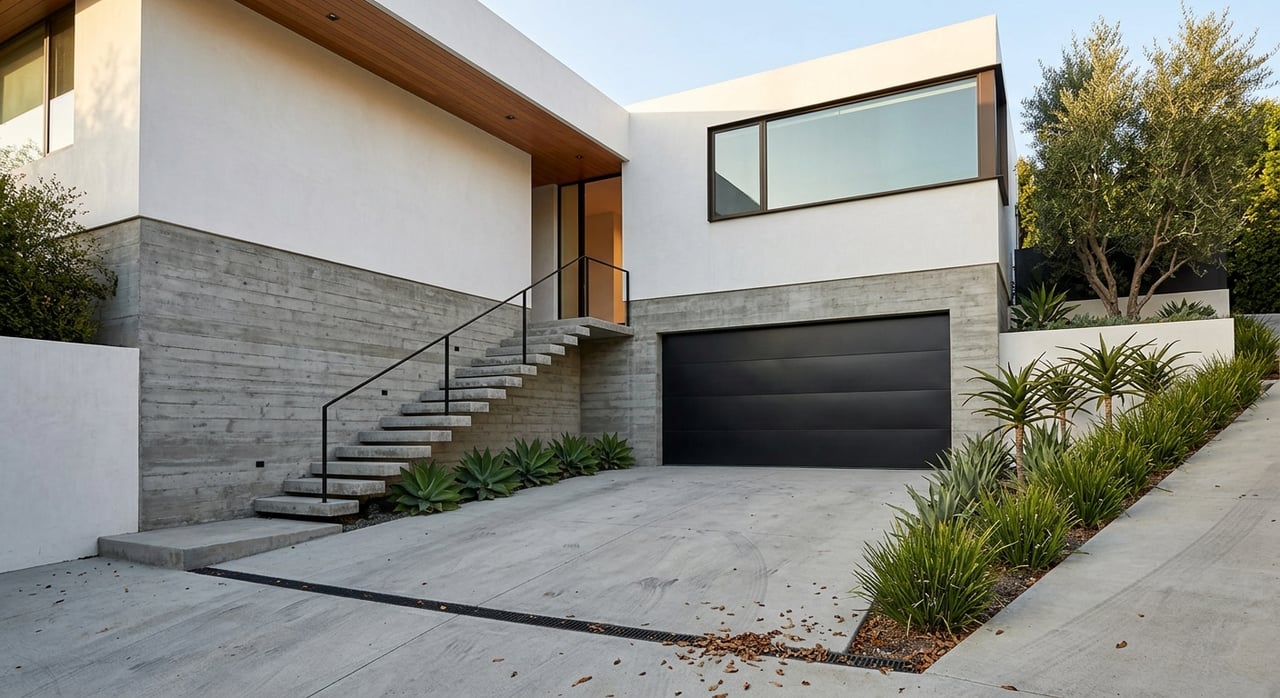
Across these micro-neighborhoods, hillside living comes with a few common patterns. Planning and preservation sources point to winding streets, retaining walls, steeper driveways, split-level floor plans, terraces, stair access, and stronger view potential than flatter parts of Los Angeles.
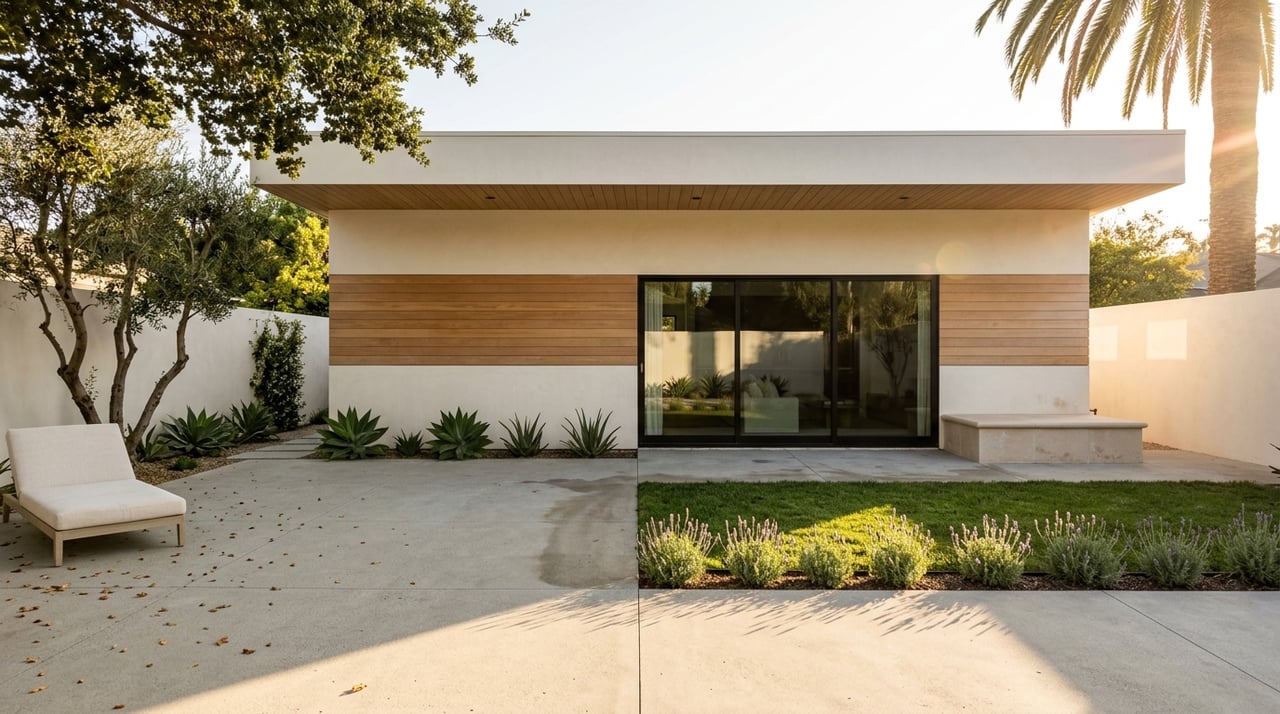
In many cases, the architecture responds to the slope itself. You may see decks, cantilevered rooms, compact footprints, and layouts that prioritize outlooks over larger yard space. If you are comparing homes in the Hollywood Hills to homes in flatter neighborhoods, this is one of the biggest mindset shifts to make early.
Beachwood Canyon at a glance
Beachwood Canyon is often the clearest fit if you want classic Hollywood Hills character. Its defining historic layer is Hollywoodland, the original 1923 hillside subdivision at the top of Beachwood Drive.
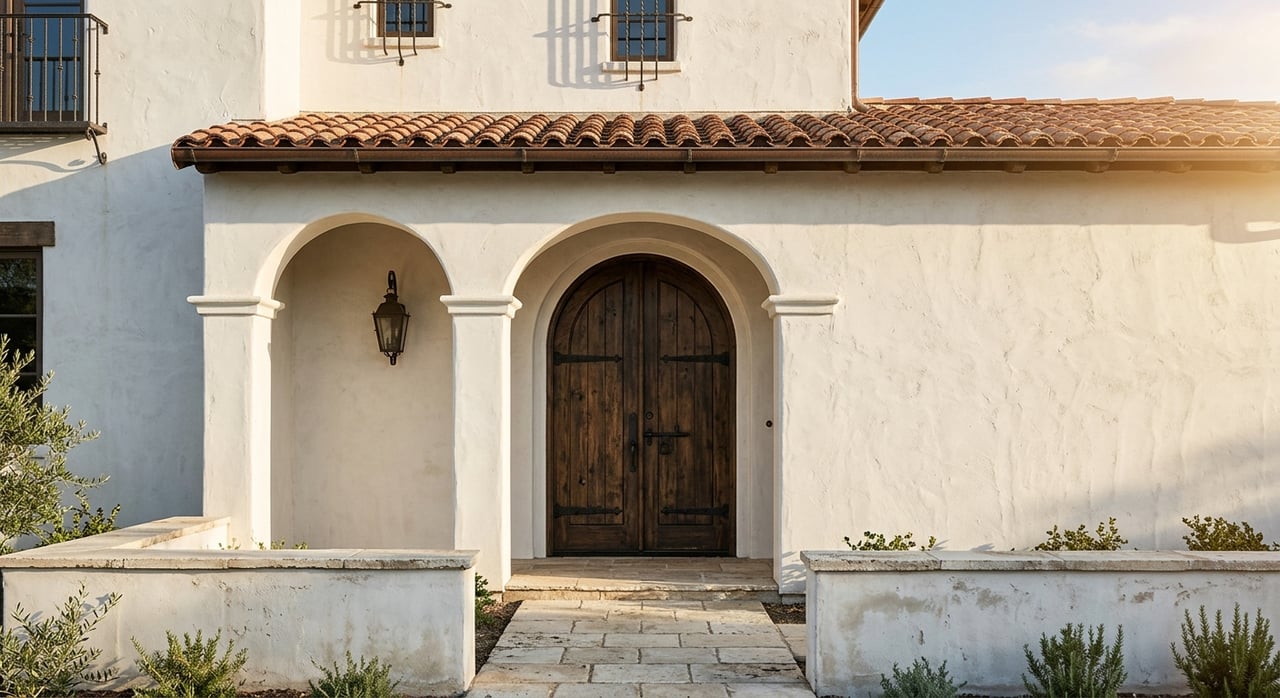
City historic documentation describes Hollywoodland as a 500-acre planned development with stone entry gates, a small commercial core, curving streets, granite retaining walls and stairways, and one- and two-story single-family homes on sloping sites with canyon views. Original design rules limited architecture to four styles: French Norman, English Tudor, Mediterranean, and Spanish Colonial Revival.
Why Beachwood stands out
Beachwood Canyon has one of the strongest architectural identities in the area. Compared with a more generic hillside tract, it tends to feel more historically layered because of its preserved gates, plaza, and planned-streetcar-suburb history.
For many buyers, that translates into a sense of place that feels immediately recognizable. It is often the micro-neighborhood people picture when they think of old Hollywood romance in the hills.
Best fit for Beachwood buyers
Beachwood Canyon may be a strong fit if your priorities include:
- Historic atmosphere
- Period Revival architecture
- A distinct neighborhood identity
- A classic hillside setting with canyon views
If you are especially design-conscious, Beachwood can appeal because the architectural language feels more consistent and intentional than in some other hillside pockets.
Cahuenga Pass corridor at a glance
Cahuenga Pass functions differently from the canyon pockets. City planning language treats it as a historic transition between the urban core and the San Fernando Valley, and the community plan notes that Cahuenga Boulevard runs parallel to the 101 and serves as an alternate entrance to the Valley.
In practical terms, this makes the Cahuenga Pass corridor the most access-driven of the three areas. Rather than reading as one cohesive canyon village, it is better understood as a mobility-oriented area with adjacent hillside streets and varied housing conditions.
What defines Cahuenga Pass
The broader area includes predominantly single-family hillside areas south of the corridor, along with preserved pockets of early California-style bungalows. Historic records also identify notable small-scale modern enclaves, including the Boathouse Thematic Group, a collection of 12 identical single-family homes on steep, narrow lots designed around dramatic views and site-specific engineering.
That mix is important. Cahuenga Pass can include bungalow character, hillside modern design, and more infrastructure-adjacent surroundings, all within the same broader zone.
Best fit for Cahuenga Pass buyers
Cahuenga Pass may be the right fit if your priorities include:
- Easier movement between Hollywood and the Valley
- Centrality and route convenience
- Interest in varied housing types
- Comfort with a less uniform neighborhood feel
If your search starts with commute logic or cross-town access, this area often deserves a closer look.
Laurel Canyon at a glance
Laurel Canyon offers a different kind of identity. Preservation sources describe it as developing more like a retreat-like canyon than a fully planned subdivision, retaining a rustic, country-like atmosphere into the 1930s before another wave of postwar residential development followed as roads were paved and building methods improved for steep sites.
Many of those later homes were built directly into the hillside or cantilevered over it. As a result, Laurel Canyon often feels closely tied to the land itself, with homes that reflect the slope in a very visible way.
Why Laurel Canyon feels distinct
Architecturally, Laurel Canyon has a broad range. Historic sources identify Tudor Revival examples, while preservation records also highlight important modernist homes, including Richard Neutra’s Kun House near Laurel Canyon.
The canyon also has a long-standing neighborhood focal point. City historic records note that the Canyon Country Store has operated as Laurel Canyon’s neighborhood market and gathering space since the 1920s, which helps explain why the area still carries a village-like identity.
Best fit for Laurel Canyon buyers
Laurel Canyon may be a strong fit if you are looking for:
- A more secluded canyon feel
- Privacy and a retreat-like setting
- A broad architectural mix
- Homes with modernist or hillside-specific design features
For buyers who value distinctive design and a more tucked-away setting, Laurel Canyon often stands out.
Comparing the three areas
At a high level, each micro-neighborhood offers a different version of Hollywood Hills living. The same ZIP code feel is not guaranteed from one canyon to the next.
| Micro-neighborhood | Strongest identity | Typical buyer priority |
|---|---|---|
| Beachwood Canyon | Historic character and Period Revival homes | Architectural identity and classic Hollywood atmosphere |
| Cahuenga Pass corridor | Access and cross-mountain connectivity | Convenience, centrality, and mobility |
| Laurel Canyon | Seclusion and broad design variety | Privacy, hillside modernism, and retreat-like feel |
A simple way to think about it is this: Beachwood often signals old-Hollywood romance, Cahuenga Pass signals convenience, and Laurel Canyon signals wooded seclusion with the widest design mix.
How to narrow your search
Before you tour too many homes, it helps to define what matters most in your day-to-day life. In Hollywood Hills, buyers usually make better decisions when they choose a micro-neighborhood first and a property second.
Ask yourself a few practical questions:
- Do you want a strong historic identity or a broader architectural mix?
- Is commute access a top priority?
- Are you comfortable with steeper streets, stairs, and split-level layouts?
- Do you prefer a more village-like canyon atmosphere or a more route-oriented location?
- Are views more important to you than yard space?
These questions can quickly sharpen your search. They also make it easier to compare homes fairly, since two properties with similar price points may offer very different lifestyle tradeoffs depending on where they sit.
Why terrain should lead your decision
In many Los Angeles neighborhoods, buyers can focus first on square footage, finishes, or lot size. In the Hollywood Hills, terrain deserves equal weight.
Street width, slope, retaining structures, driveway steepness, and stair access all influence how a property functions. Even when two homes share a similar design style, the lot and street approach can change how convenient, private, or expansive the home feels in daily use.
That is one reason micro-market guidance matters here. The right fit is rarely just about aesthetics. It is about matching your priorities to the way each canyon actually lives.
Buying with a clearer strategy
A focused Hollywood Hills search is usually a smarter one. When you understand the difference between Beachwood Canyon’s historic atmosphere, Cahuenga Pass’s access-driven appeal, and Laurel Canyon’s secluded design-forward character, you can spend less time chasing broad listings and more time evaluating the homes that truly fit.
If you want help comparing Hollywood Hills micro-neighborhoods or identifying the right pocket for your goals, The Kumar Group offers high-touch guidance rooted in local market knowledge, design awareness, and clear strategy.
FAQs
What makes Beachwood Canyon different from other Hollywood Hills areas?
- Beachwood Canyon is most closely associated with the historic Hollywoodland subdivision, Period Revival architecture, preserved gates and plaza features, and a classic old-Hollywood hillside identity.
What should buyers know about living in the Cahuenga Pass corridor?
- The Cahuenga Pass corridor is the most access-oriented of these micro-neighborhoods, with close ties to Cahuenga Boulevard, the 101, and travel between Hollywood and the San Fernando Valley.
Why do many buyers choose Laurel Canyon in Hollywood Hills?
- Many buyers are drawn to Laurel Canyon for its secluded canyon feel, broad architectural range, hillside modern homes, and long-standing village-like identity.
How does hillside terrain affect Hollywood Hills home searches?
- Hillside terrain often means winding roads, retaining walls, steeper driveways, stair access, split-level layouts, terraces, and floor plans shaped by the slope of the lot.
Which Hollywood Hills micro-neighborhood is best for historic character?
- Based on city historic and planning records, Beachwood Canyon is the strongest fit for buyers who prioritize historic atmosphere and clearly defined architectural character.